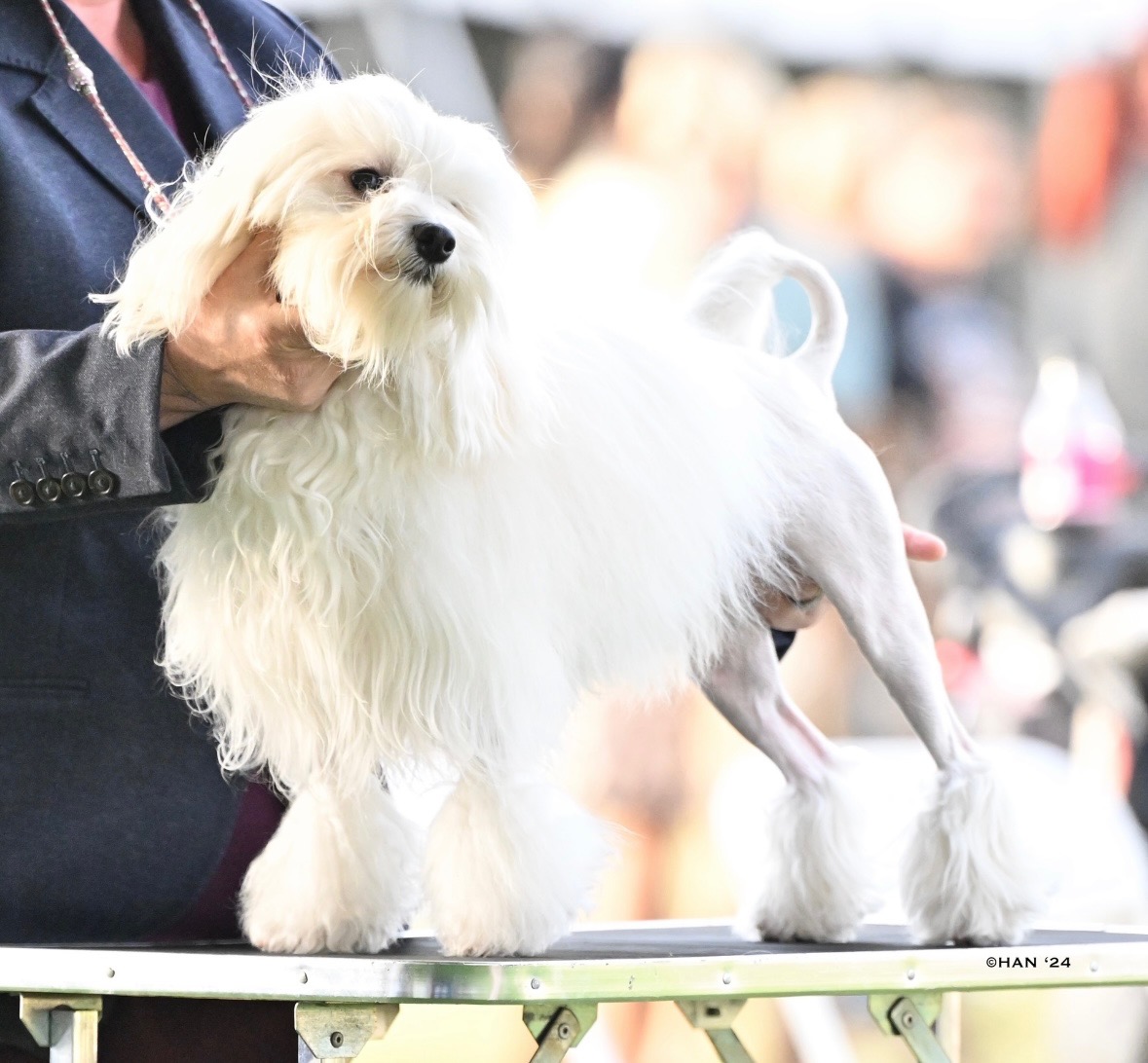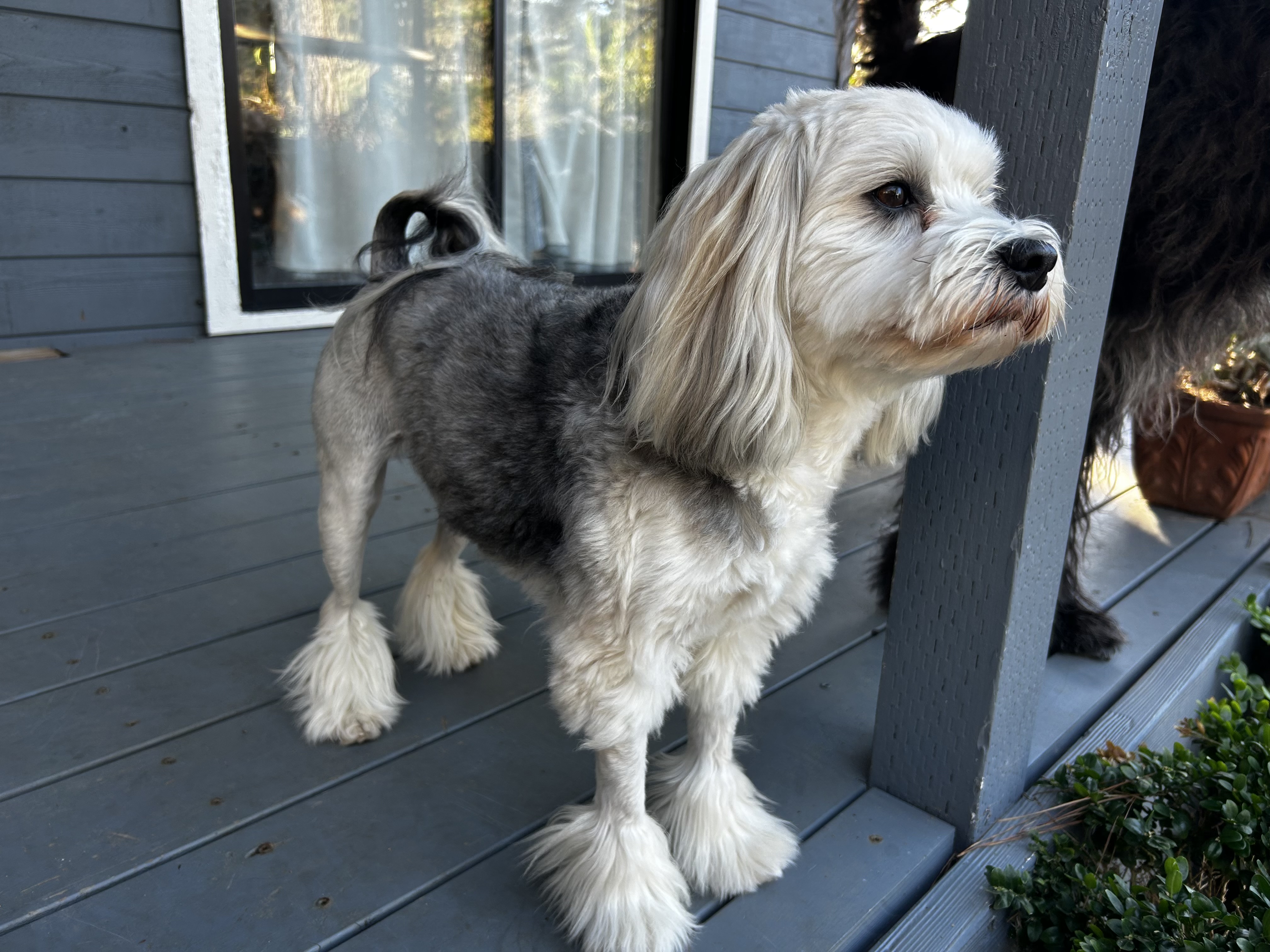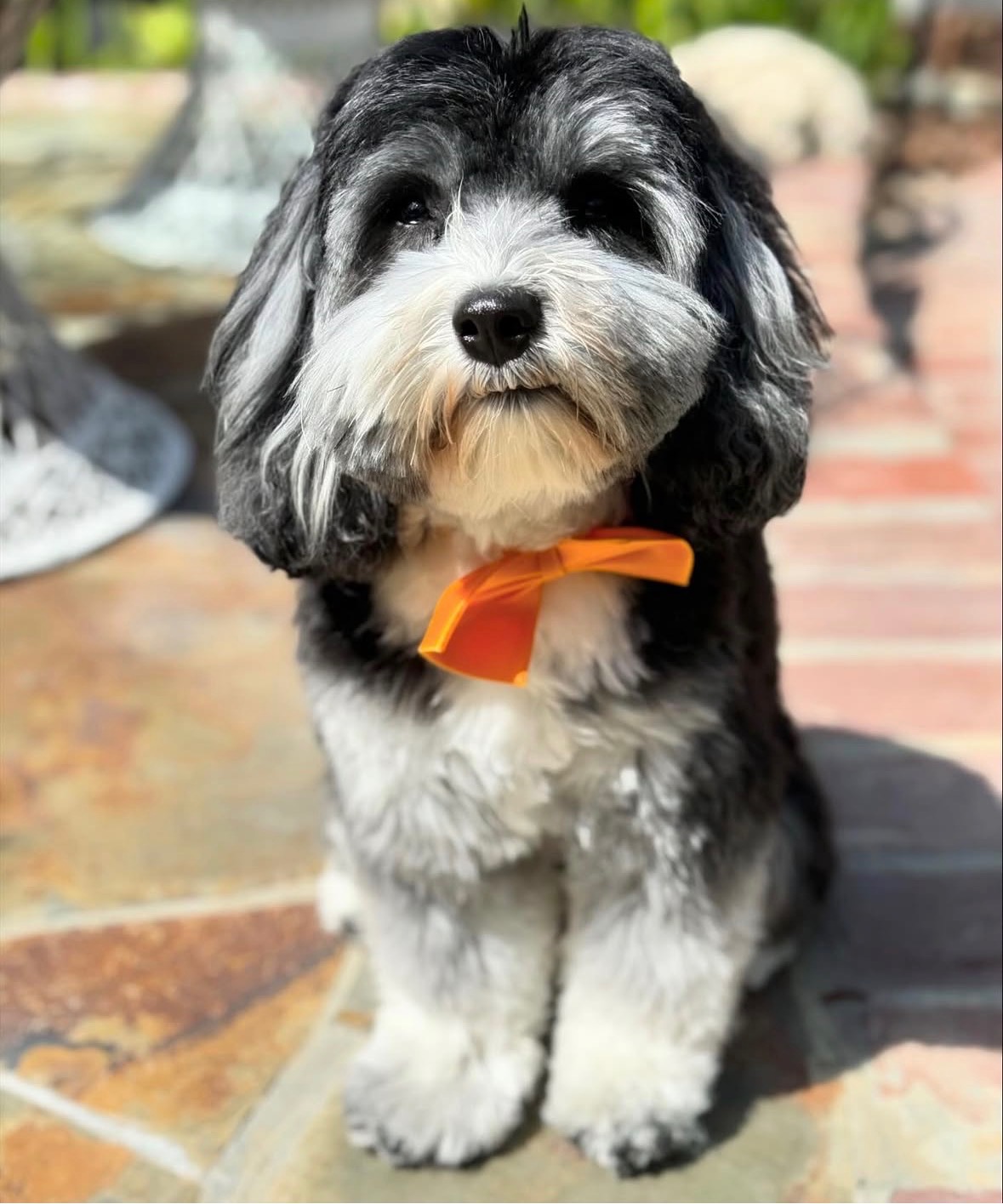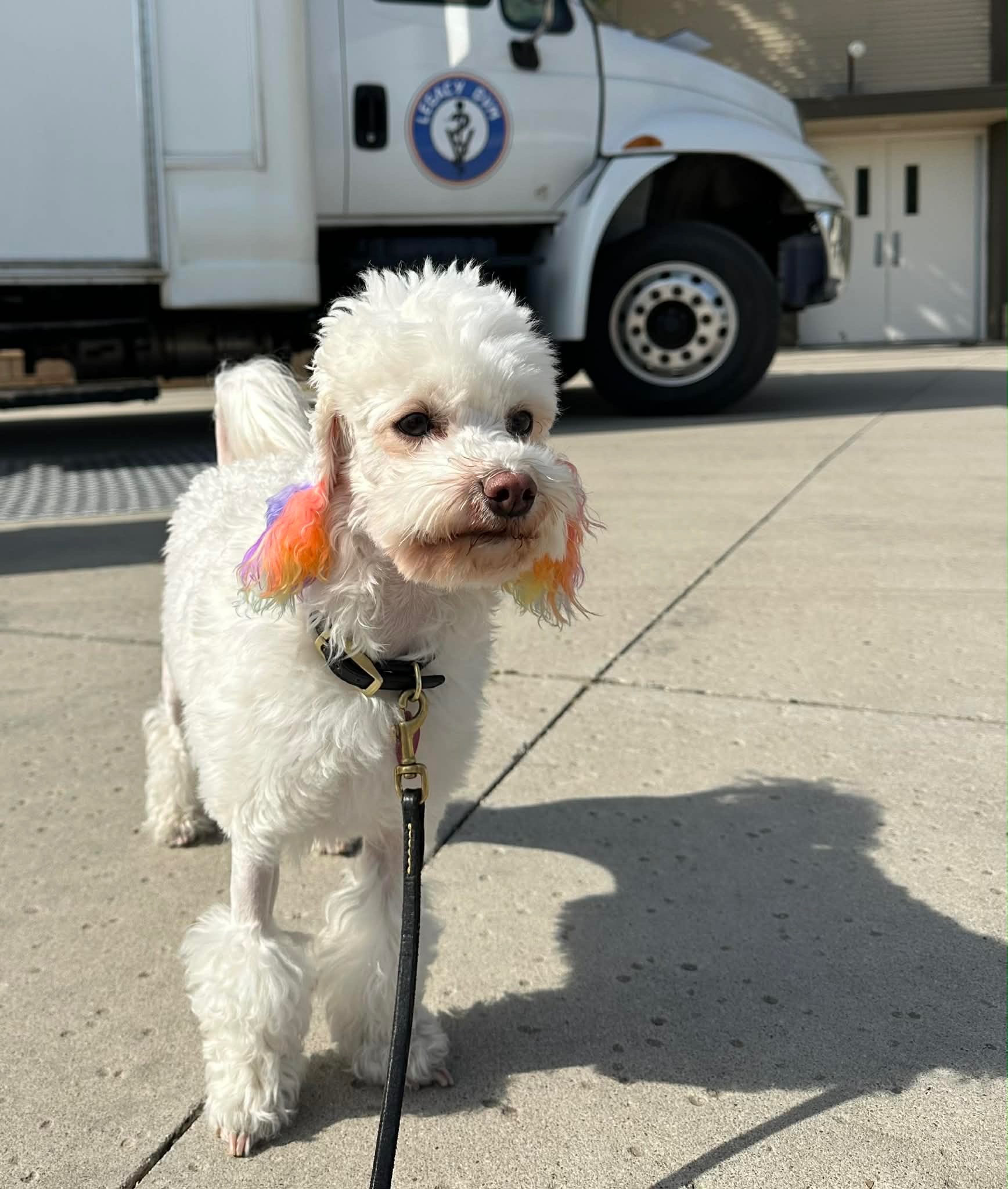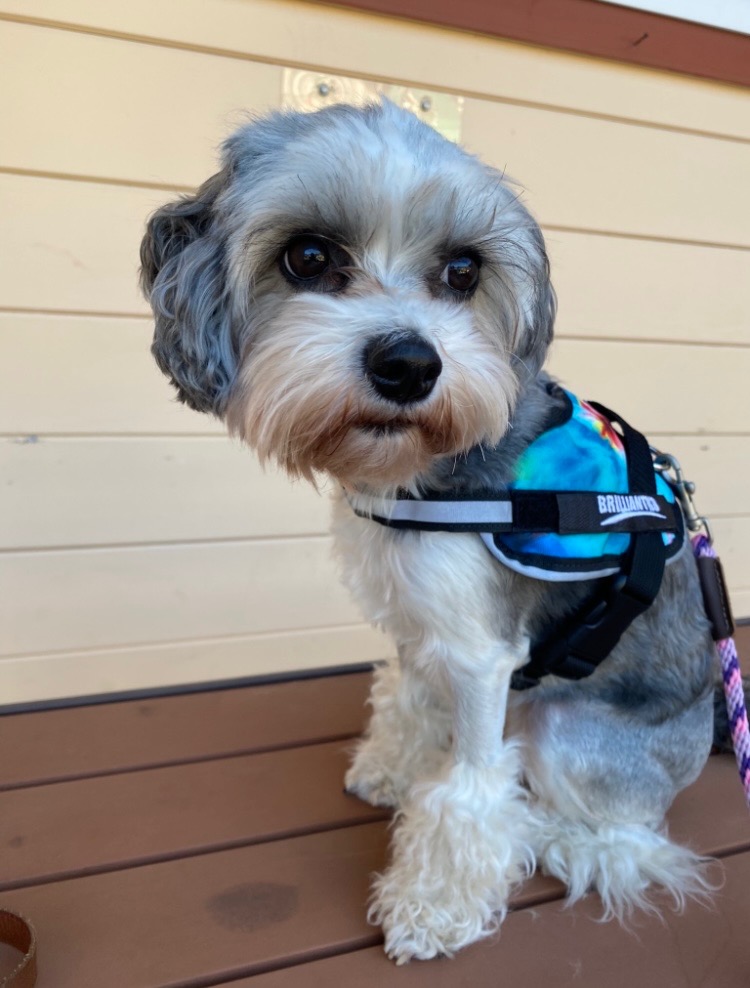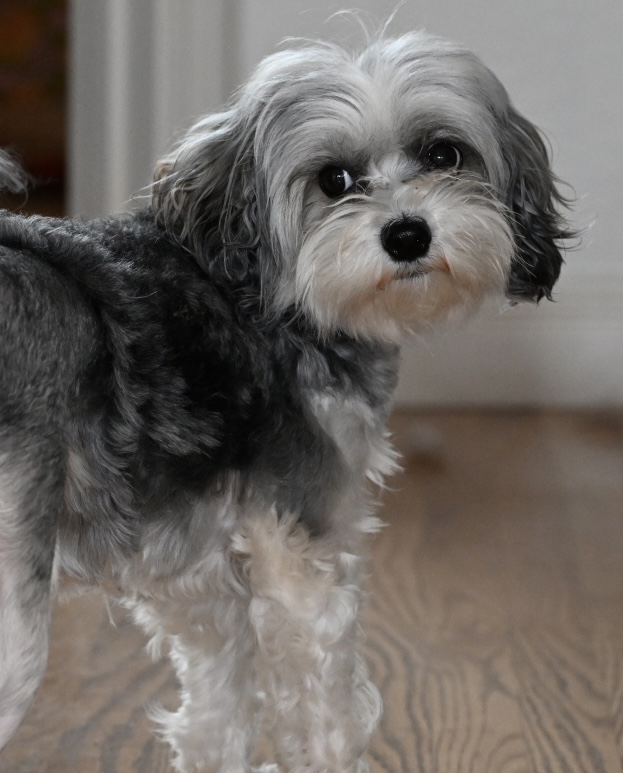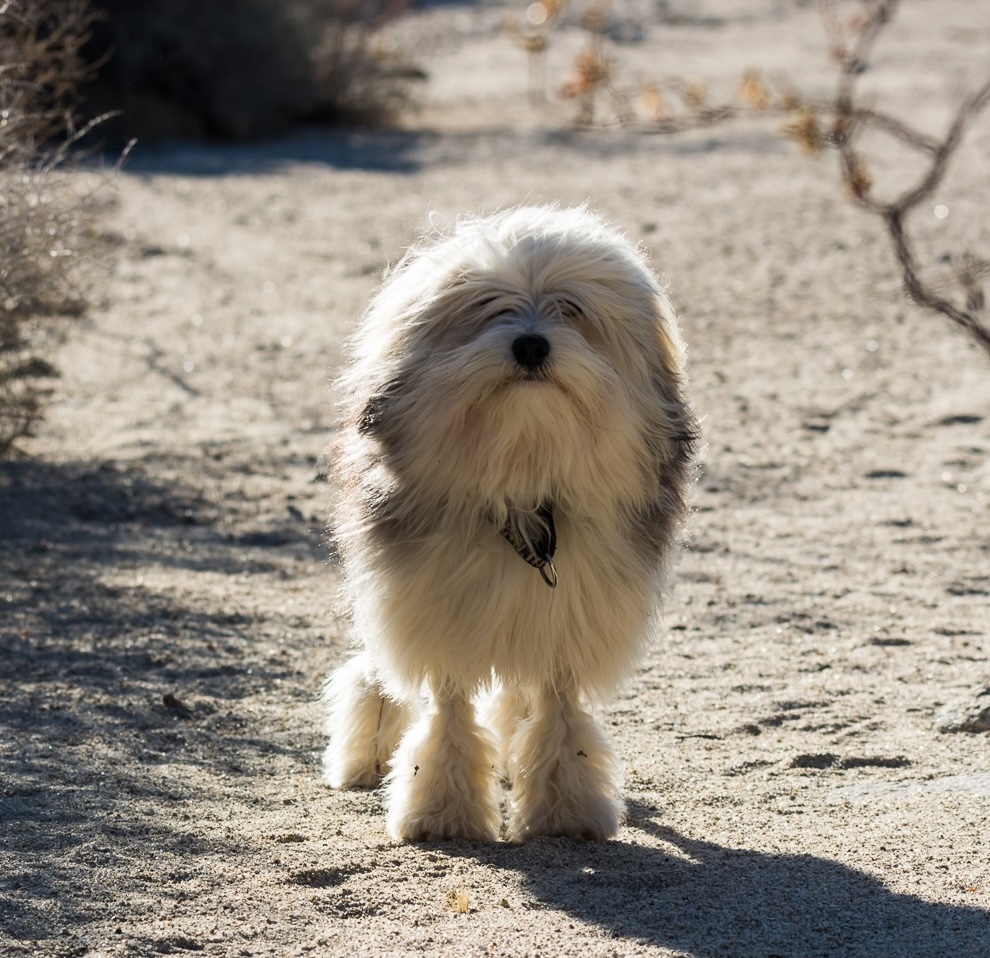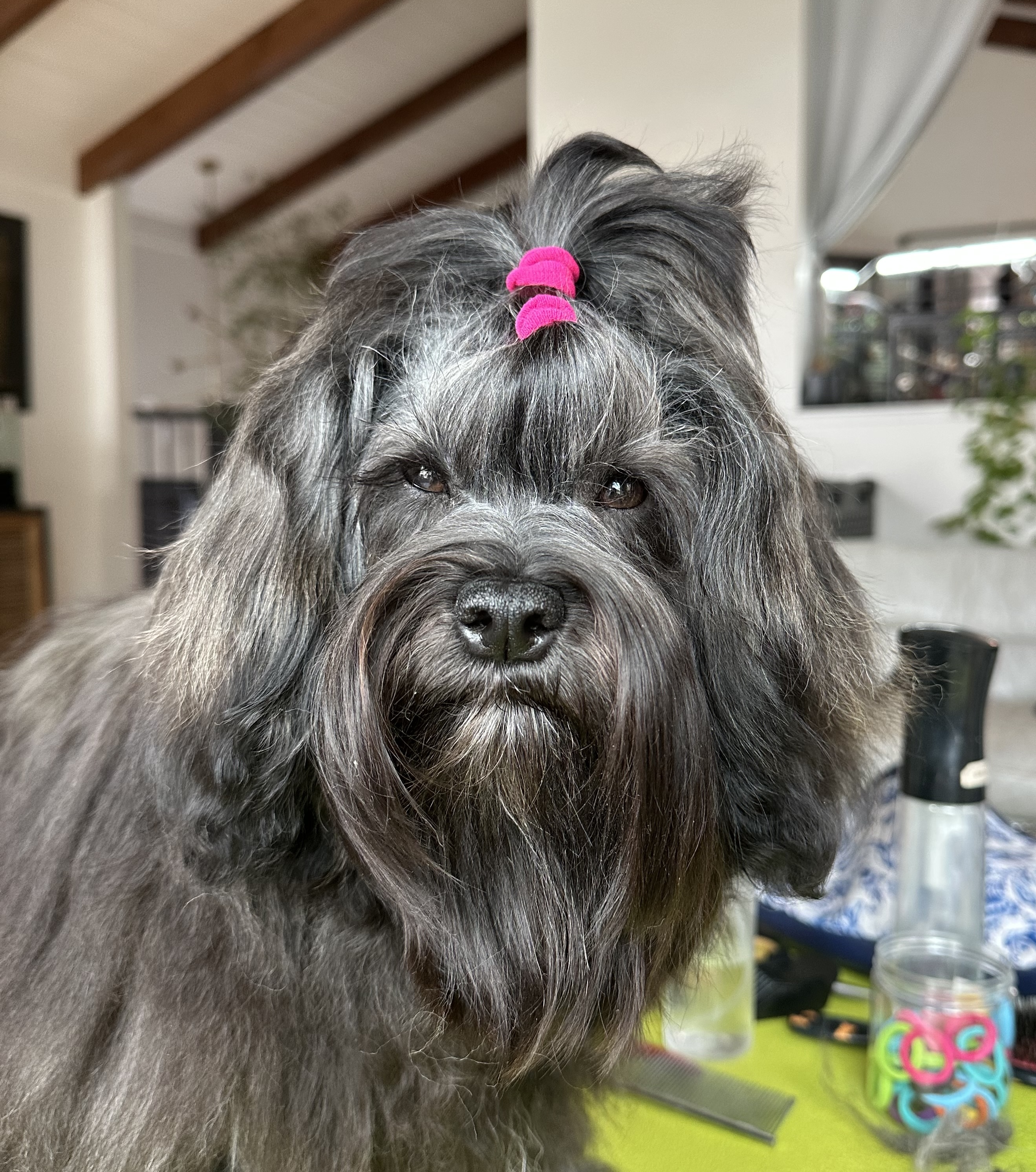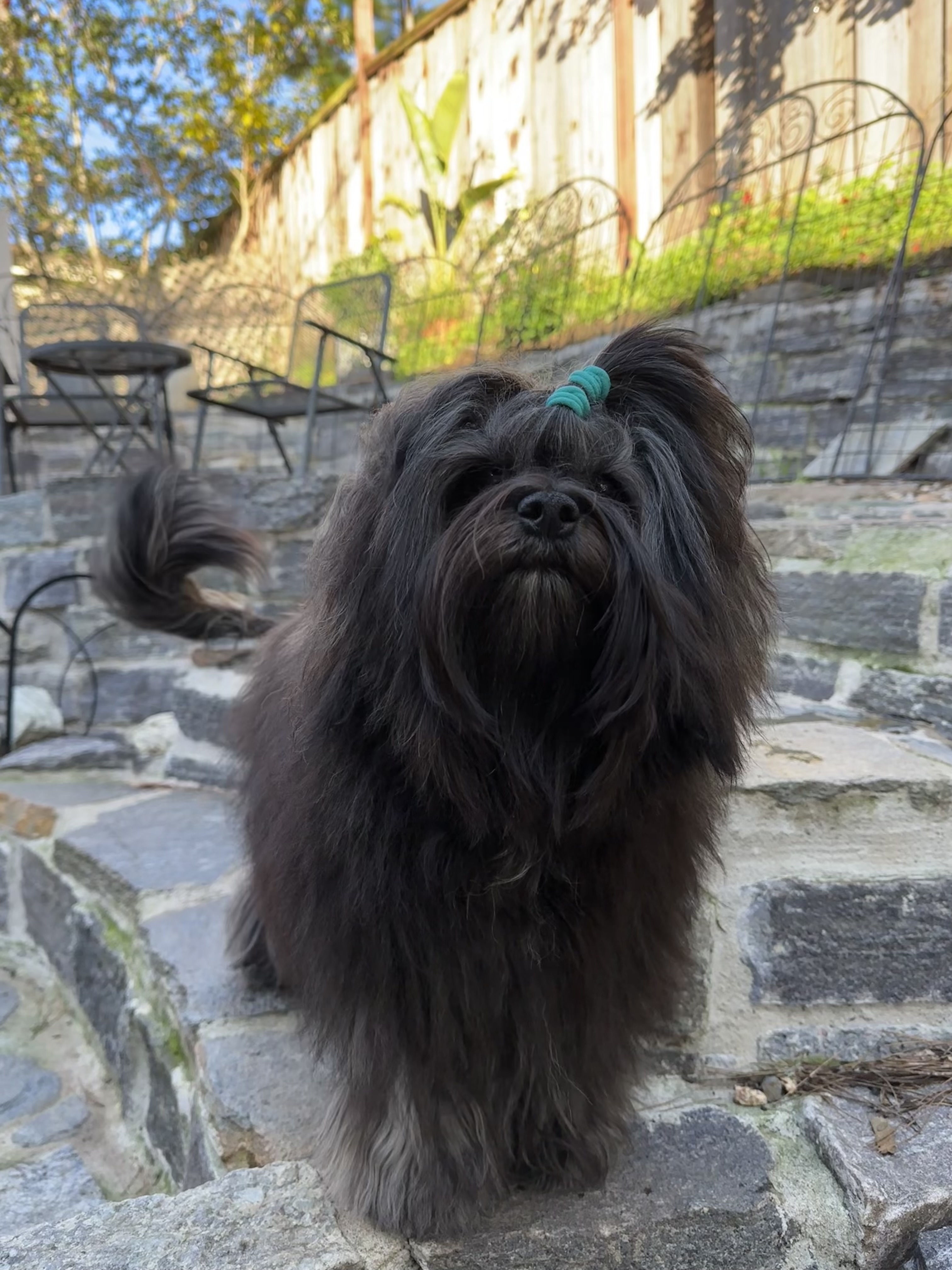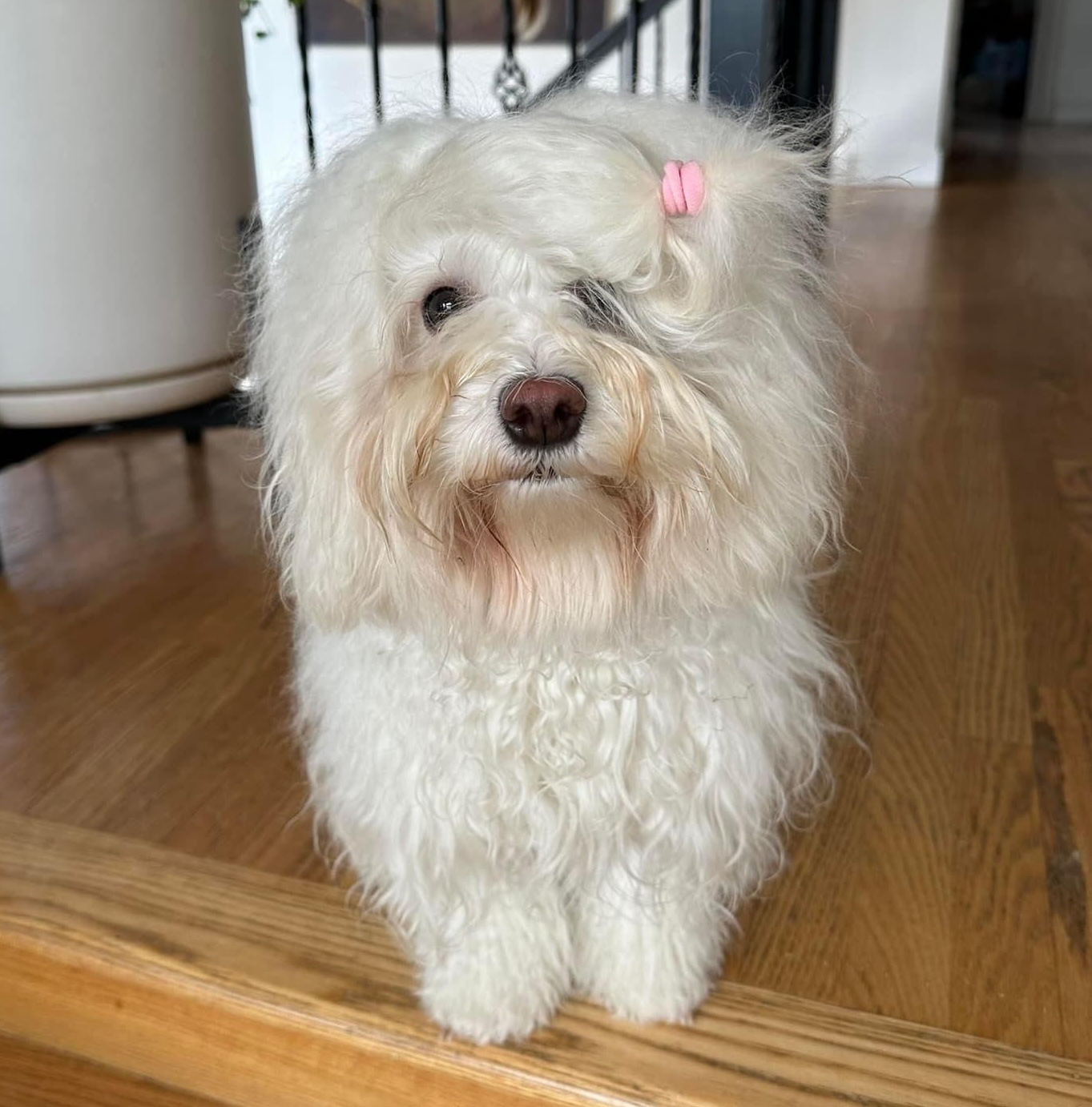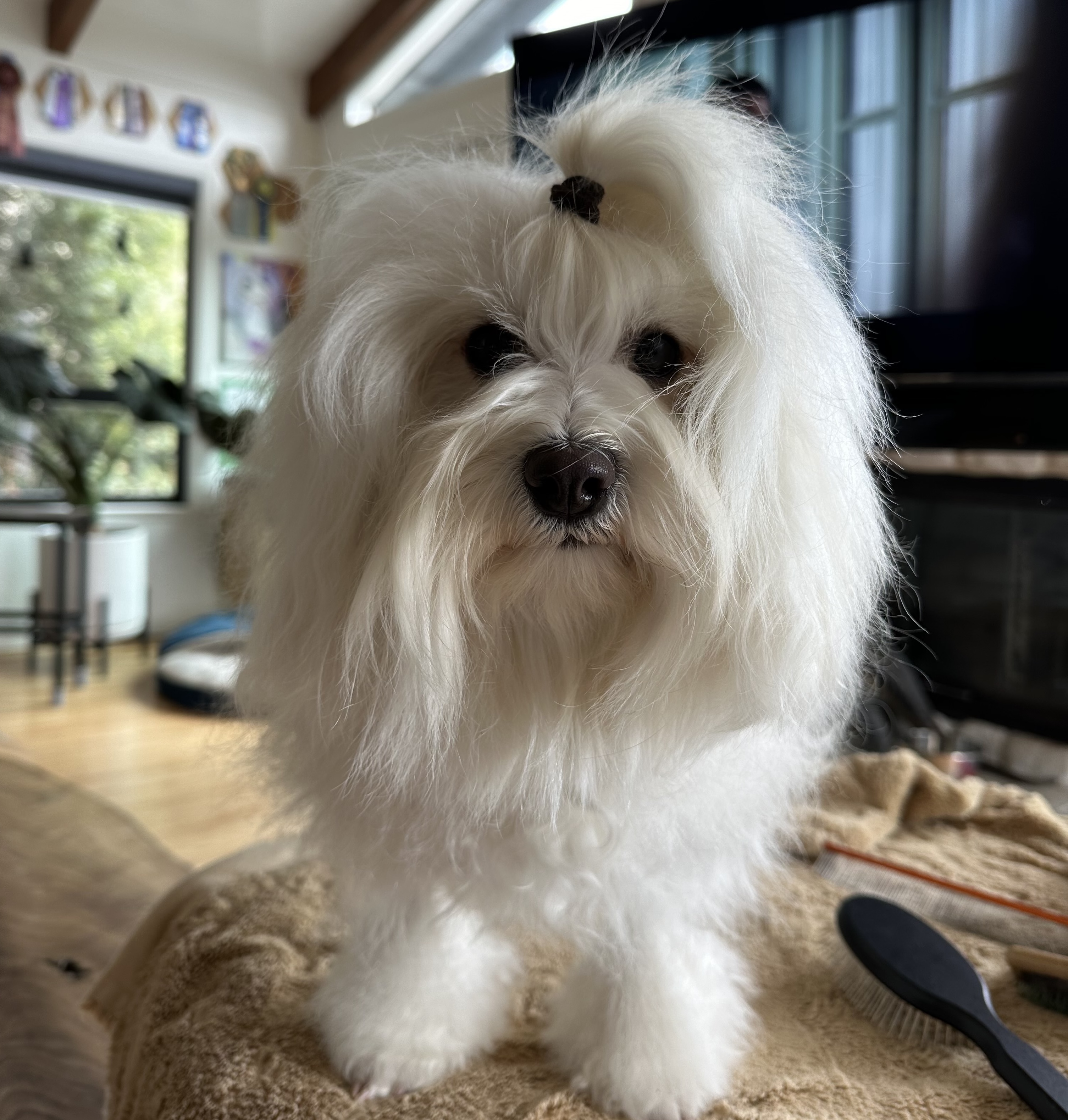
Born of the Sea · Heart of a Champion
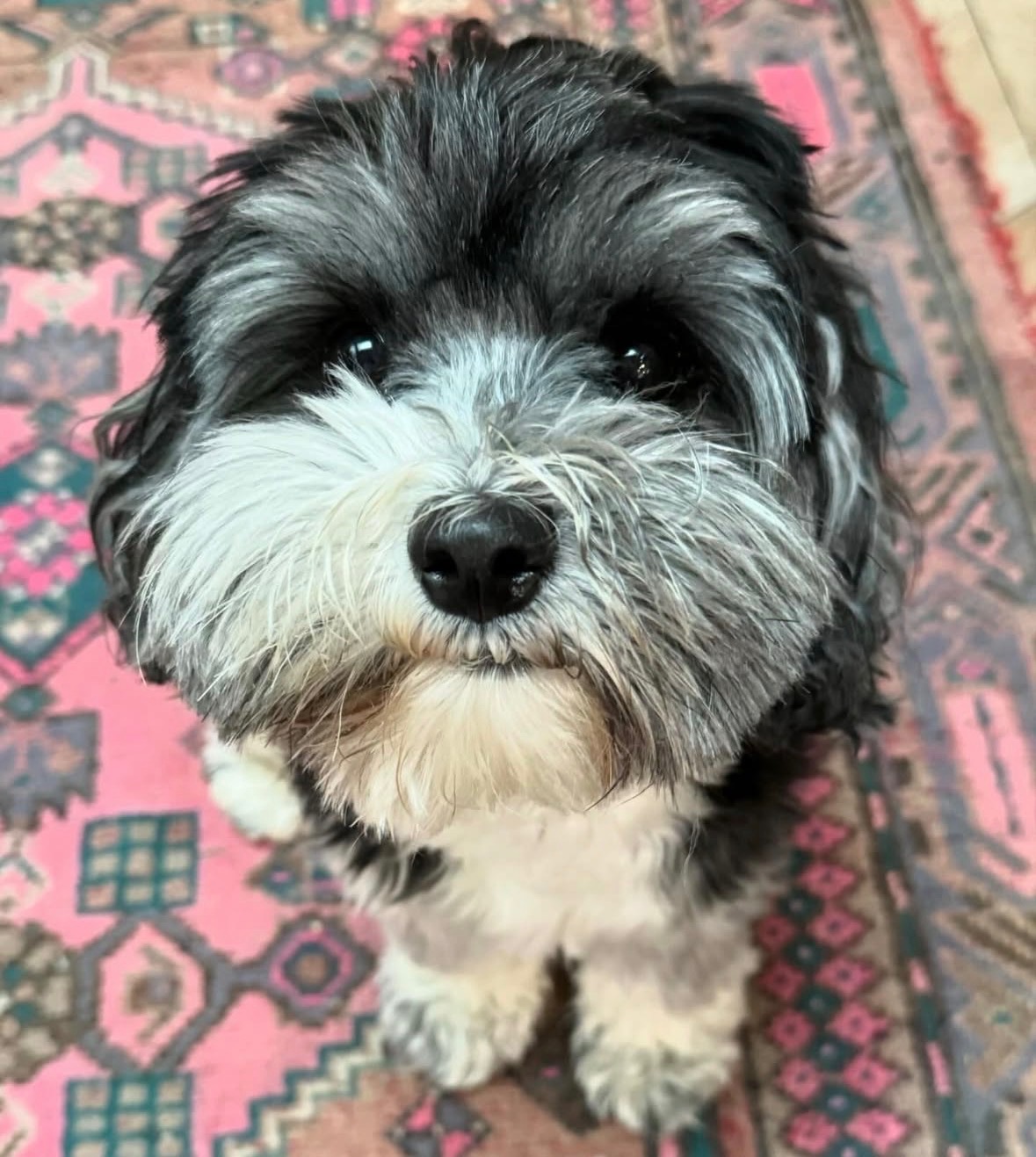
Hi! This website exists for two reasons. The first is to help spread the word about our fantastic, undervalued breed, and to offer educational resources about them. The second is to begin relationships with people who have Löwchen, or who are looking for one.
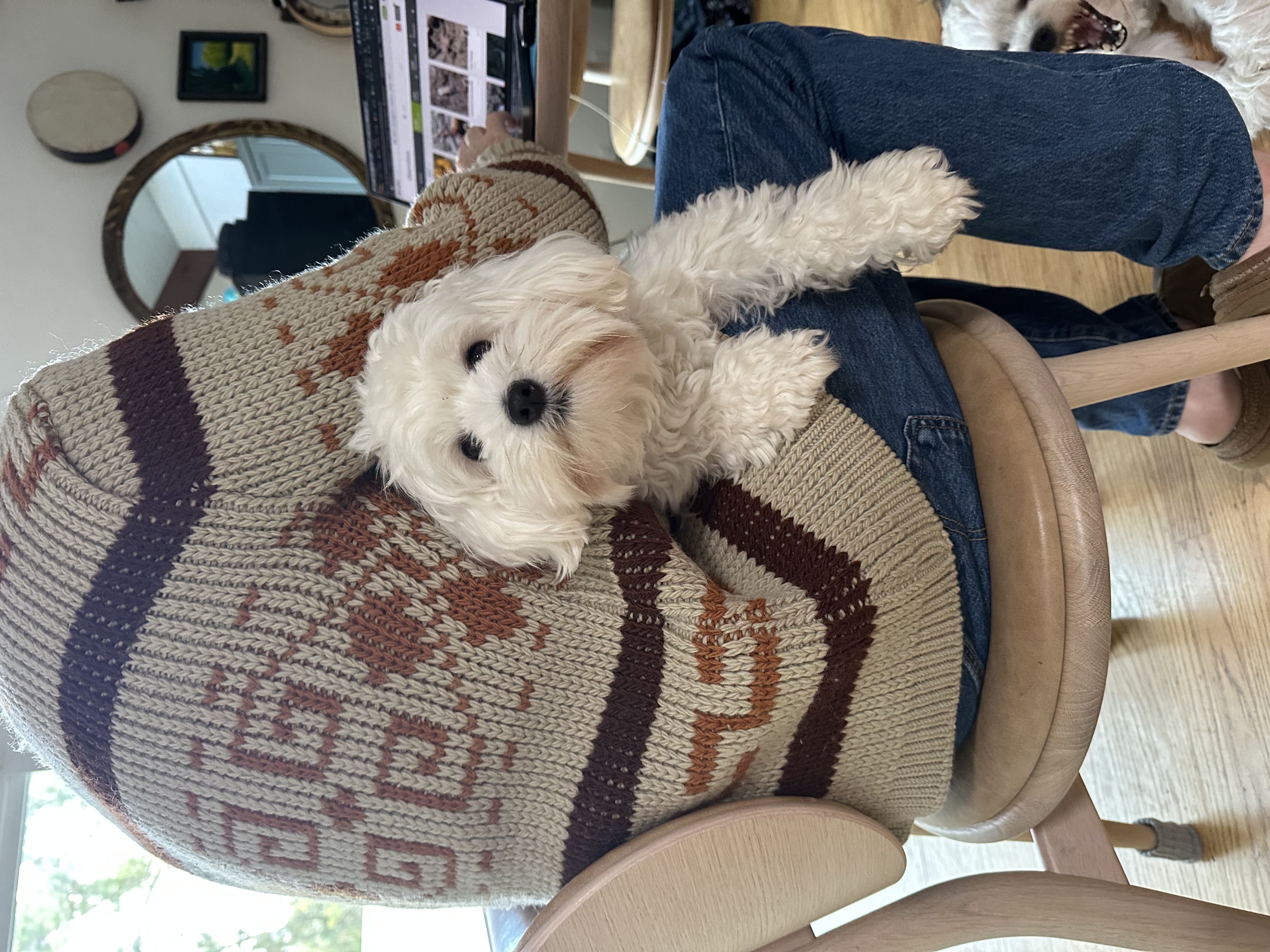
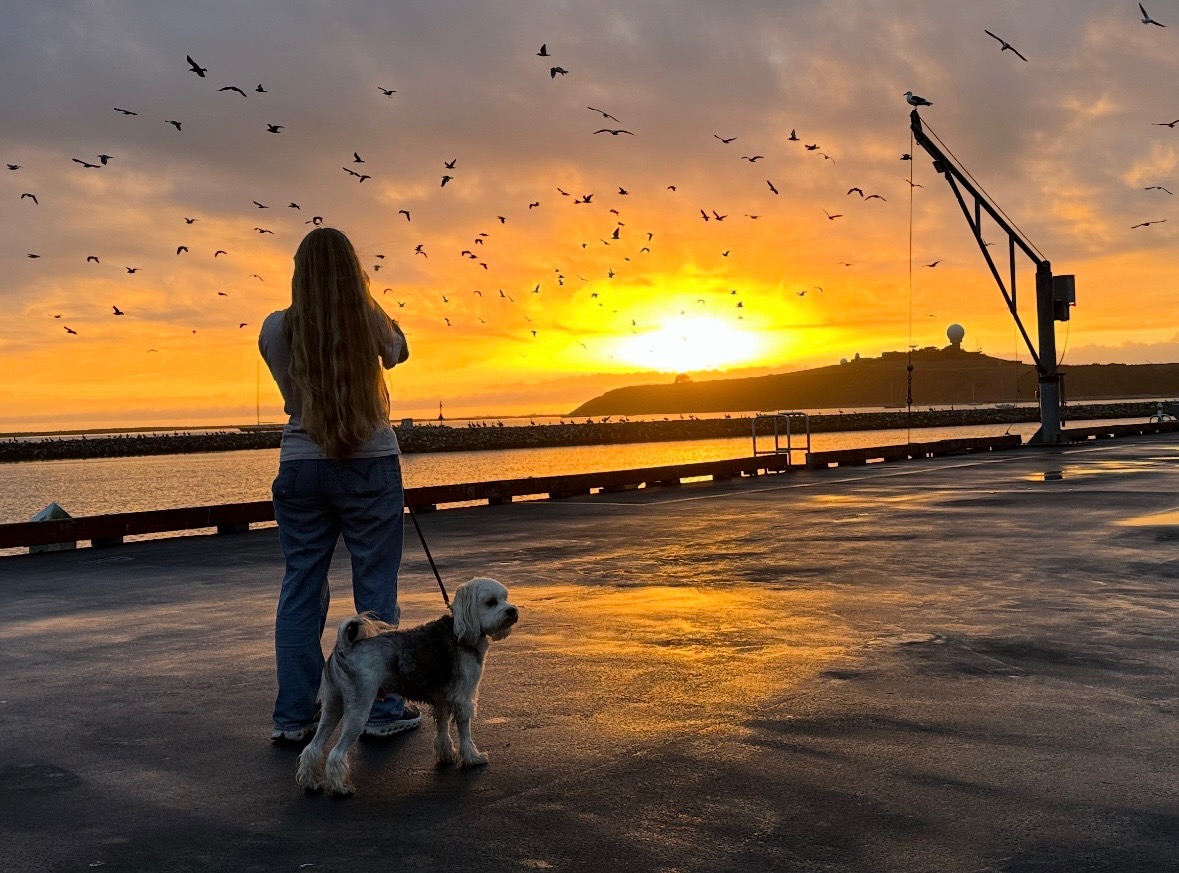
Our family breeds for preservation, with no large program, no separate kennel area. Just a deep commitment to this rare breed and the lines we love. We breed to improve the Löwchen, to honor the work of the breeders who came before us, and to place a small number of exceptional puppies in the right hands. Our dogs live exactly where they belong: in our home, on our couch, at the harbor, and in our hearts.
C.Hardt Löwchen are American Kennel Club registered. Breeding dogs have achieved their American Kennel Club Champion or Grand Champion titles. We health test and post results to the Orthopedic Foundation For Animals. C.Hardt is a Löwchen Club of America Recommended Breeder and a Good Dog Approved Breeder.

We space our litters roughly two years apart. That time we spend planning the next pairing, pouring into the puppies we keep, and simply living with and loving our dogs. Every litter is produced with great intention, unhurried, and made with our whole hearts.
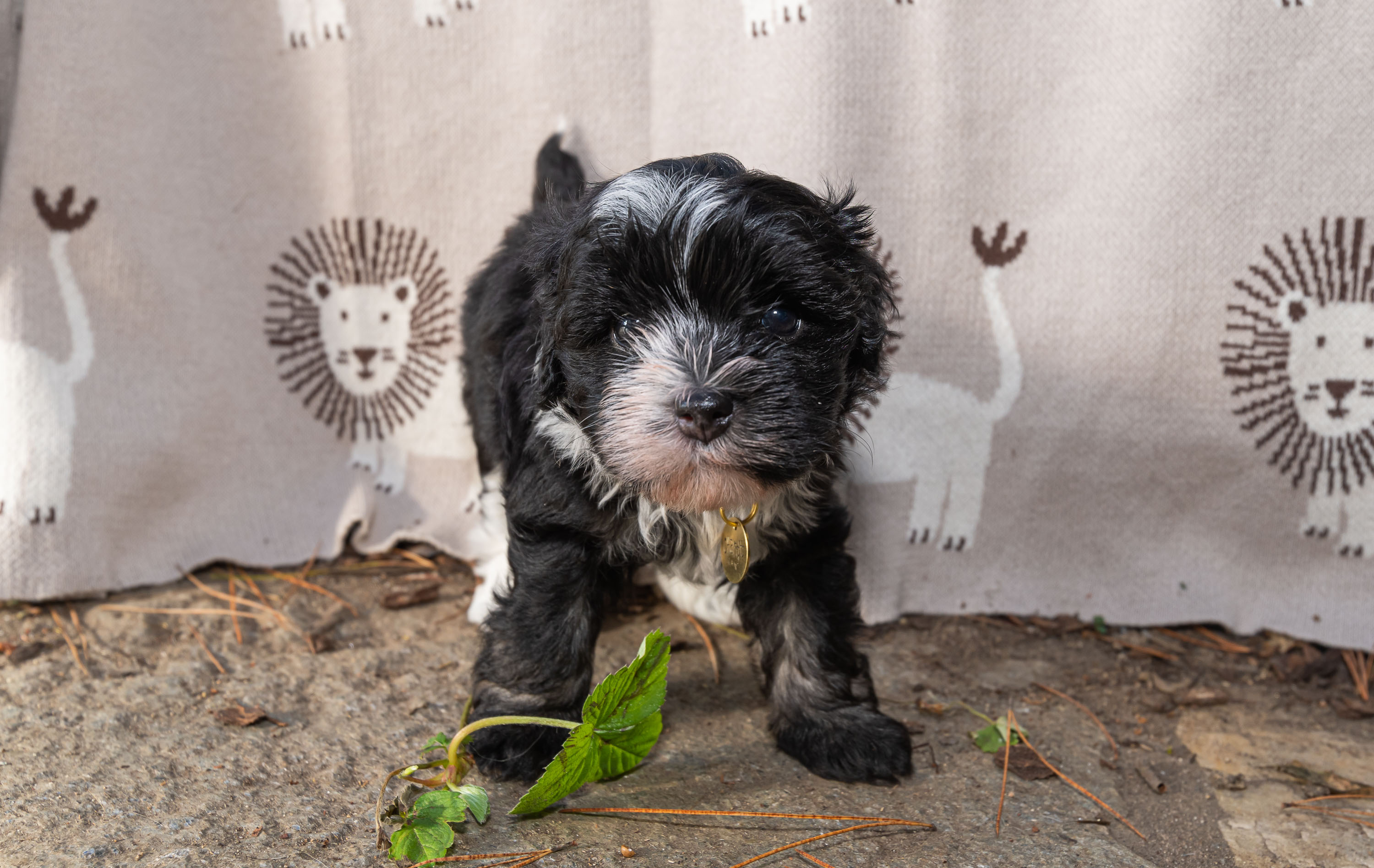
The name C.Hardt is a nesting doll of meaning. Co-breeder and youngest daughter Oonagh wanted a kennel name starting with C to forever honor CC, our first Löwchen. Her middle name, Muirgen, means "born of the sea". So C is for CC, and also pronounced "sea." We had chosen the name before, by lucky coincidence, moving three blocks from the Pacific Ocean, where our puppies are born within sight of the water. The "hardt" comes from part of the family name Degenhardt, and doubles as "heart", because temperament is always our first breeding priority. Together, the opening letters CH were a quiet wish for future champion puppies. So it's C.Hardt, pronounced Sea Heart. The first time we added the prefix title "CH" before our kennel name was when Tré, CH C.Hardt's Unmitigated Shenanigans TKN, finished his championship. In that moment, it all came together. Our slogan, Born of the Sea, Heart of a Champion, is a guiding light for everything we do.
We are proud to be an inclusive family and program. We welcome and affirm families of all backgrounds: LGBTQ+, noncitizens, every race, every shade, every faith. A great home for a Löwchen is a great home, full stop.
This page is organized into chapters. Jump to any section below, or use the navigation links above.
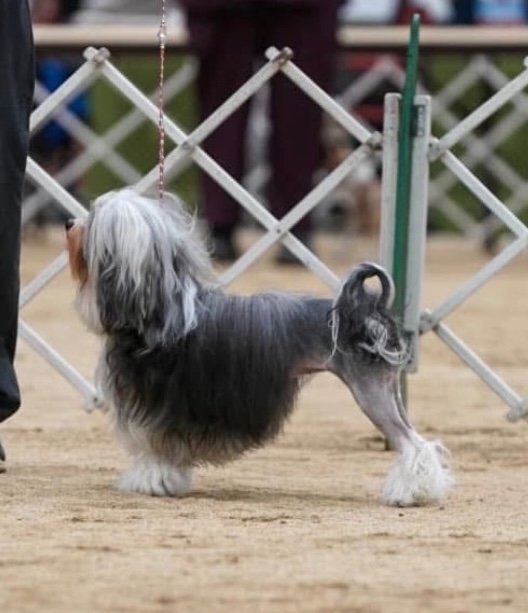
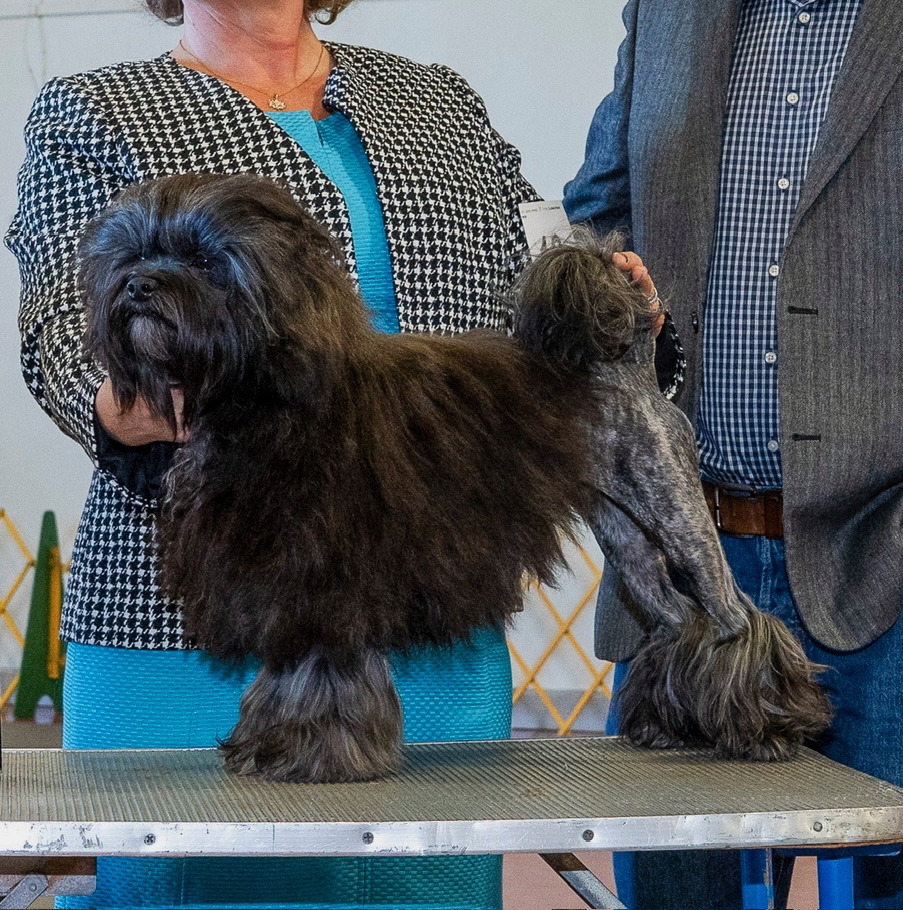
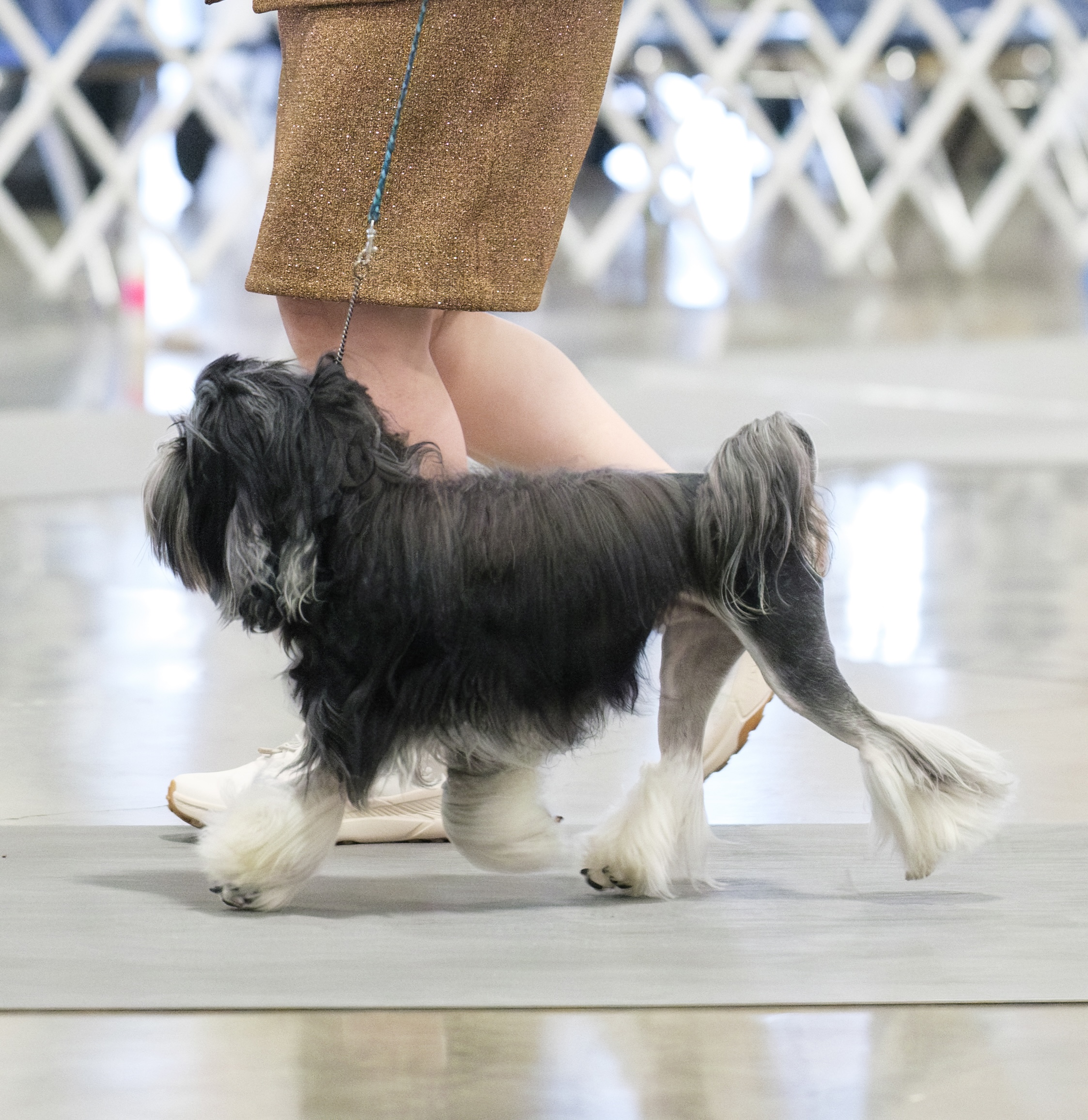
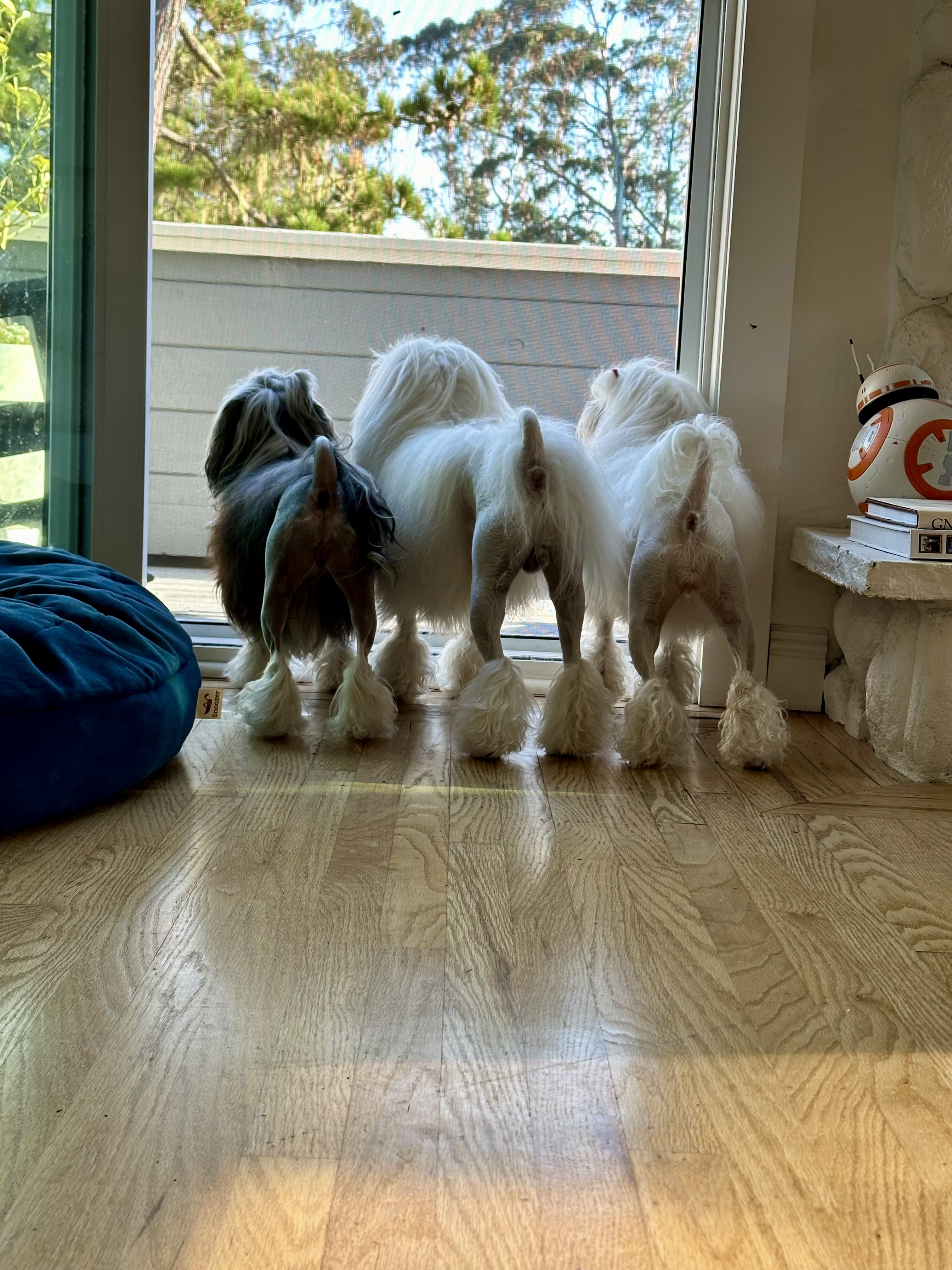
The Löwchen, German for "little lion", is one of the oldest and rarest dog breeds in the world, with a history spanning at least 600 years across continental Europe. Beloved by Renaissance nobility, these small, sturdy dogs were treasured companions of the French, German, and Spanish courts. Their distinctive lion clip (a full mane over the foreparts and a clipped hindquarter) made them instantly recognizable symbols of prestige and elegance.
The clip was as practical as it was beautiful. Then as today, hindquarters were easier to keep fresh with less coat to hold any soiling. The story goes that ladies would keep a Löwchen tucked beneath a lap blanket, warming their hands on the bare rear of the dog, while the long-haired front portion did the useful work of drawing away any fleas.
In spite of their jolly nature and stylish, practical haircut, the Löwchen experienced recent near-extinction. At their lowest point in the 20th century, the Löwchen was listed in the Guinness Book of World Records as the rarest dog breed on Earth. Through the dedicated work of passionate breeders, they have made a remarkable recovery and were recognized by the American Kennel Club in 1996.
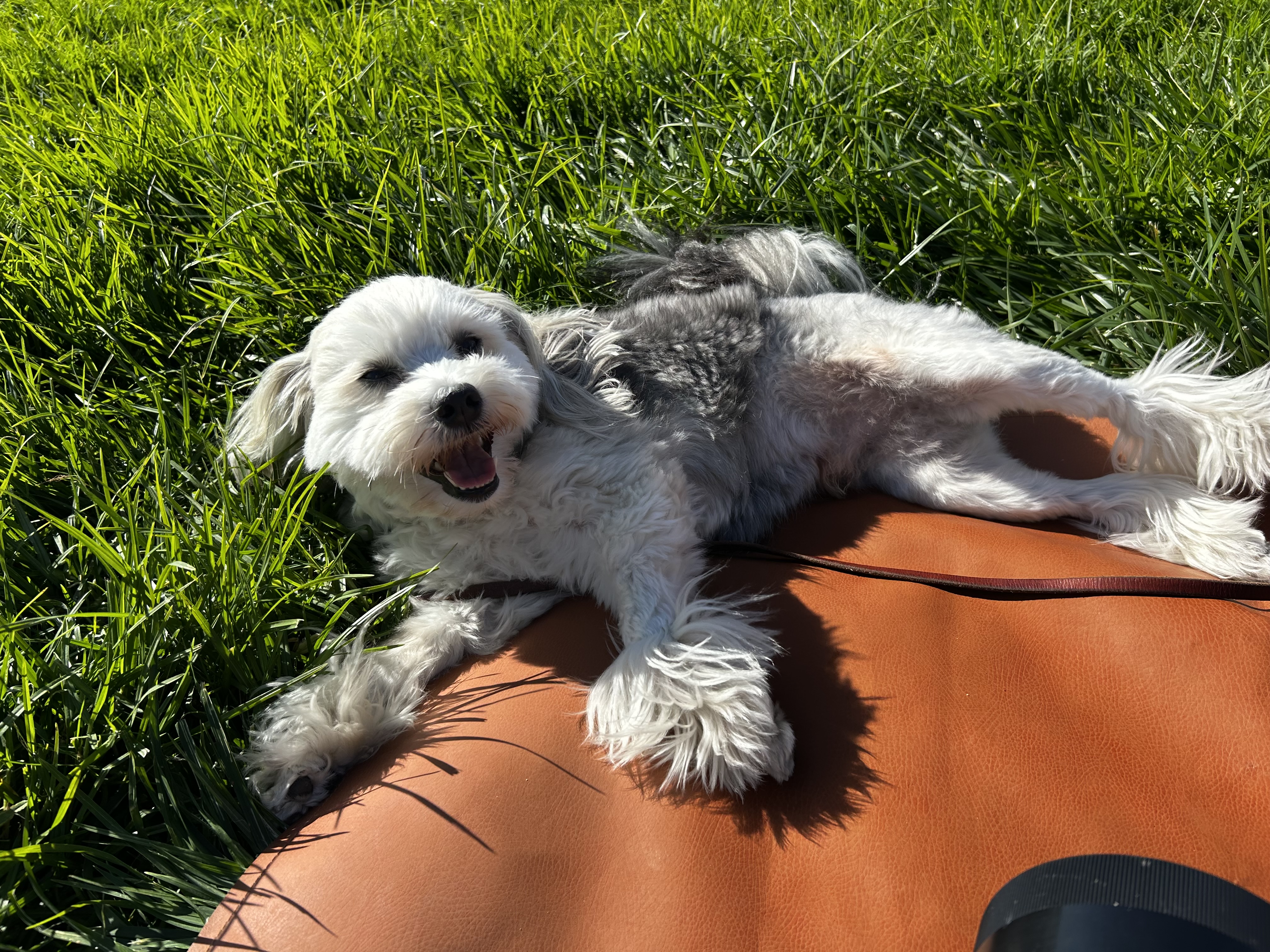
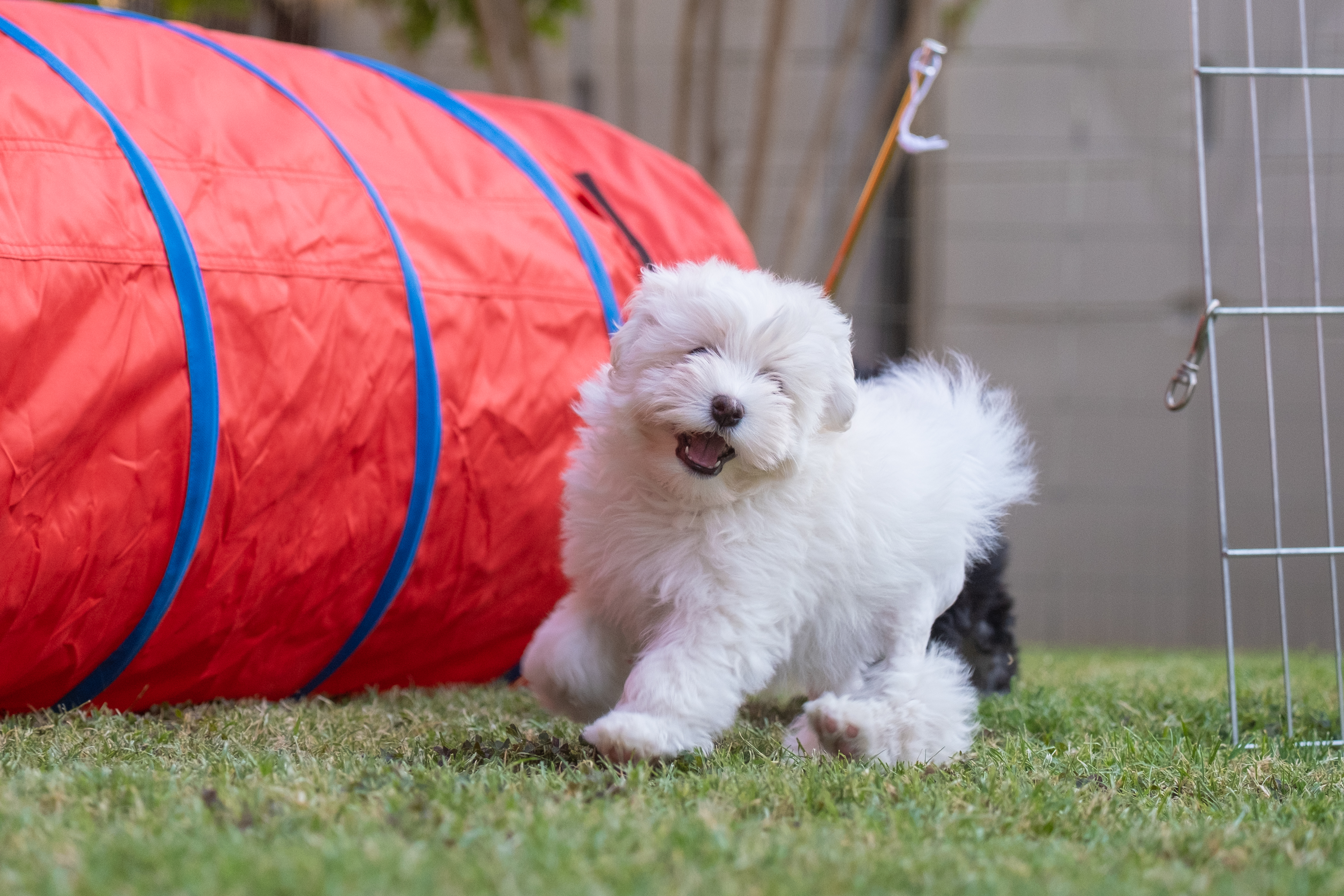
The Löwchen is celebrated for its remarkably biddable, affectionate, and outgoing personality. They are lively and playful, and they adapt beautifully to virtually any living situation, from apartments to coastal cottages. Highly intelligent and eager to please, they excel in obedience, agility, and scent work, while remaining equally content curled up beside you watching the fog roll in off the Pacific.
Unlike some small breeds, the Löwchen possesses a confident, leonine spirit. They are neither shy nor aggressive, but bold and friendly. An ideal Löwchen is perfectly at home on a coastal trail, at a farmers market, or joining you for brunch at a cafe. The true embodiment of a "lion" in miniature form.
What can be said of every Löwchen , without exception, is that each one marches to the beat of their own drum. They are, to a dog, a true character, each with their own particular brand of quirk. The specifics vary wildly. You can get a feel for the range by reading the individual bios in our Meet Our Dogs section.
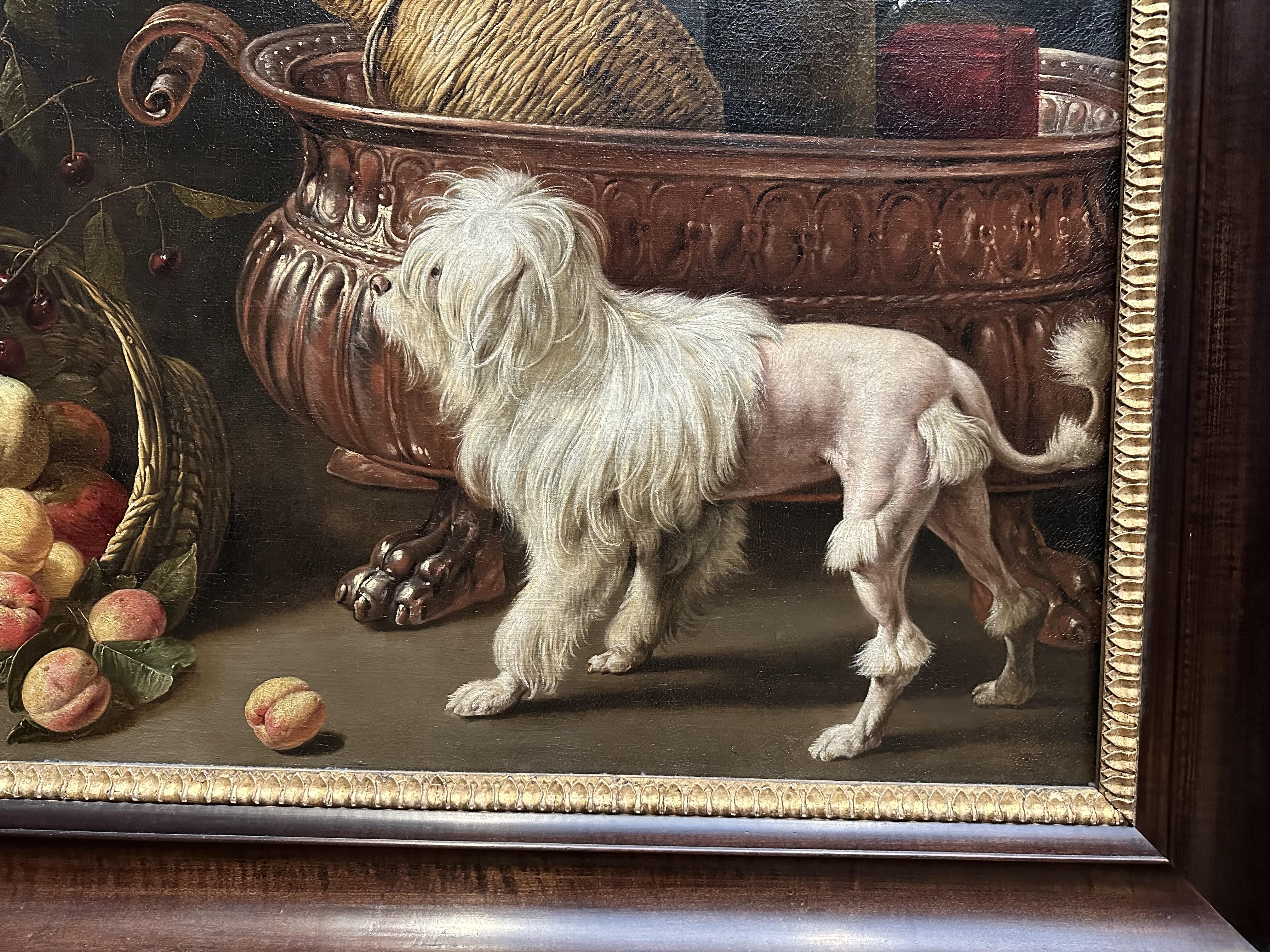
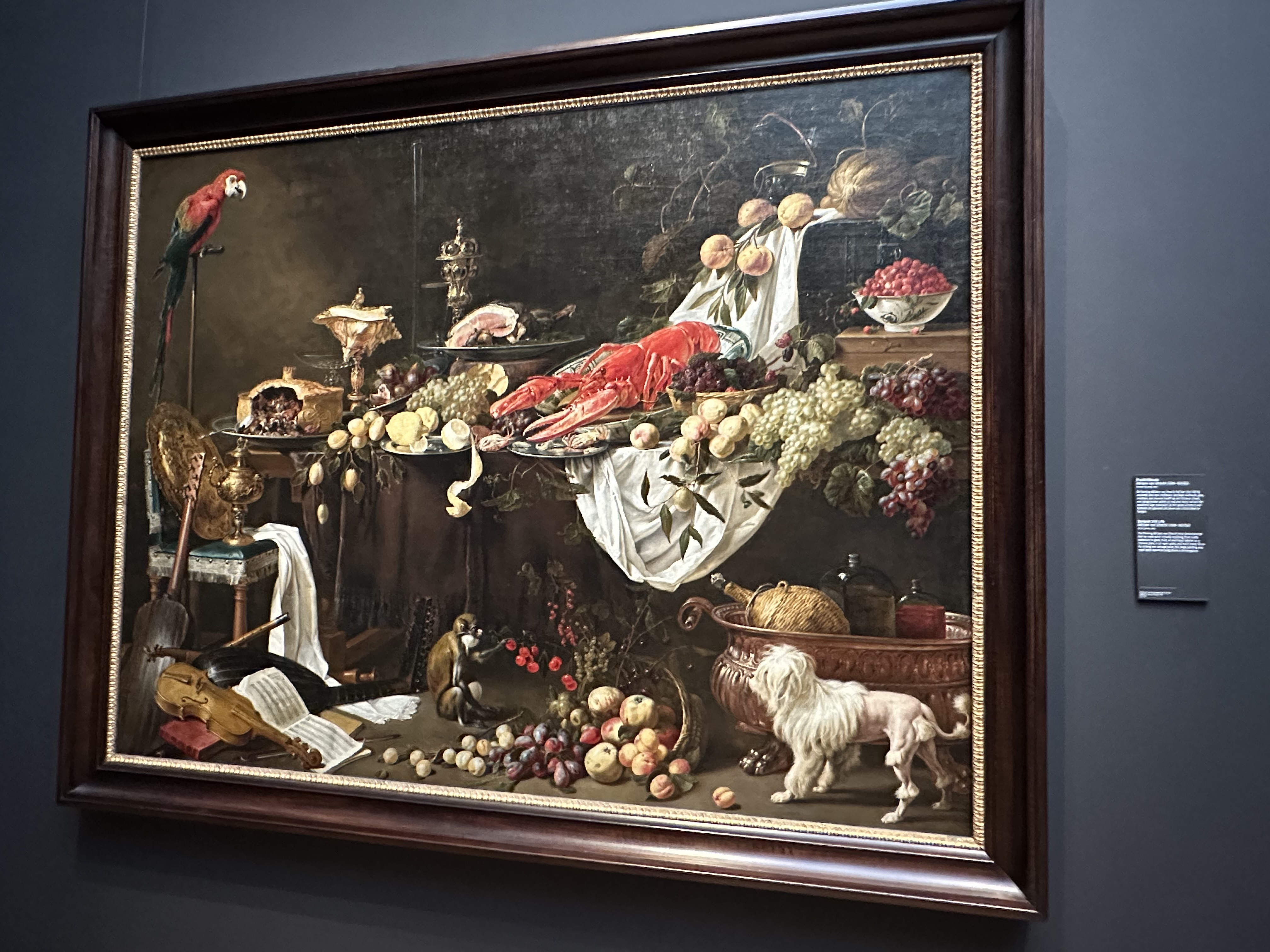
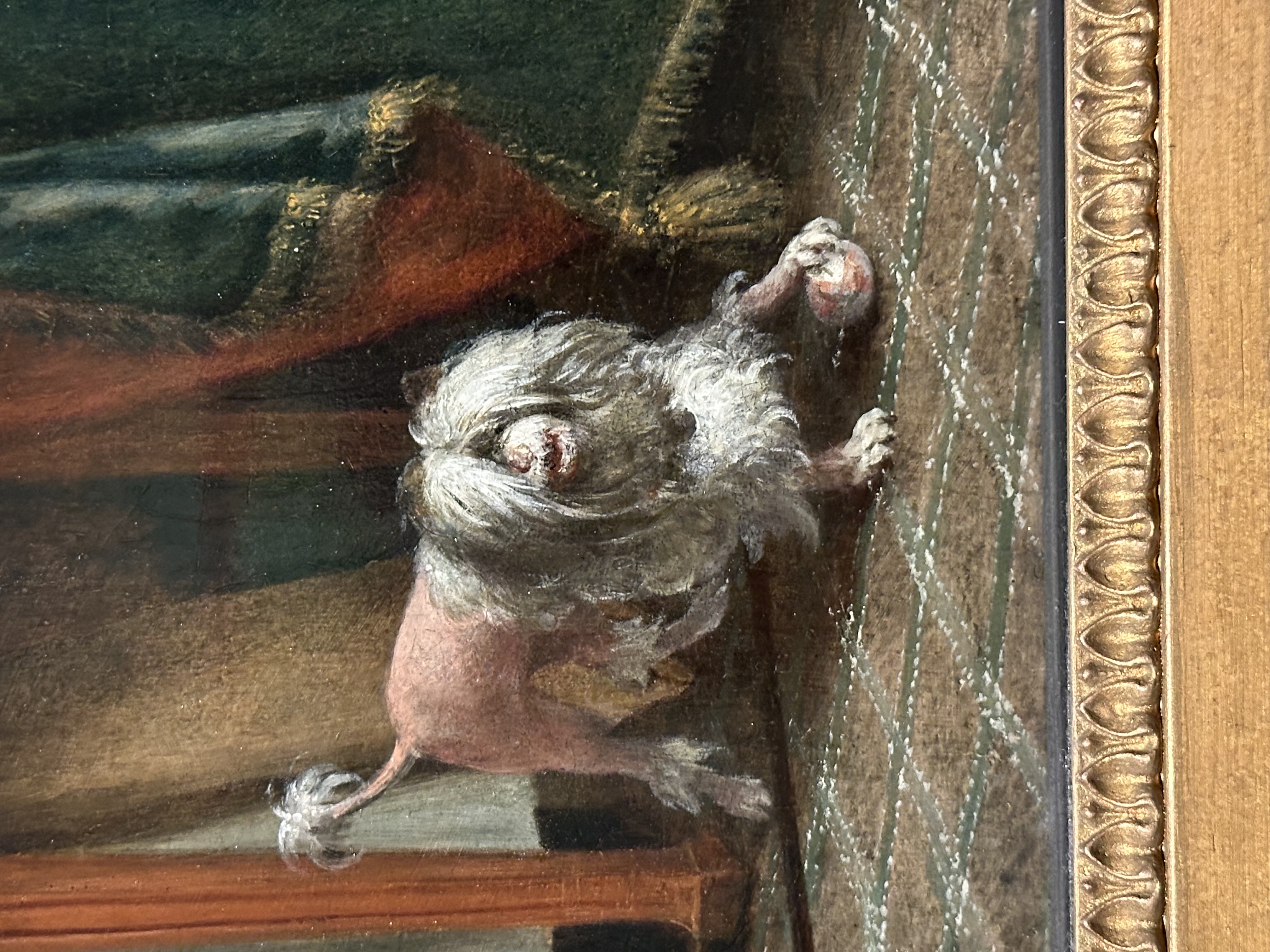
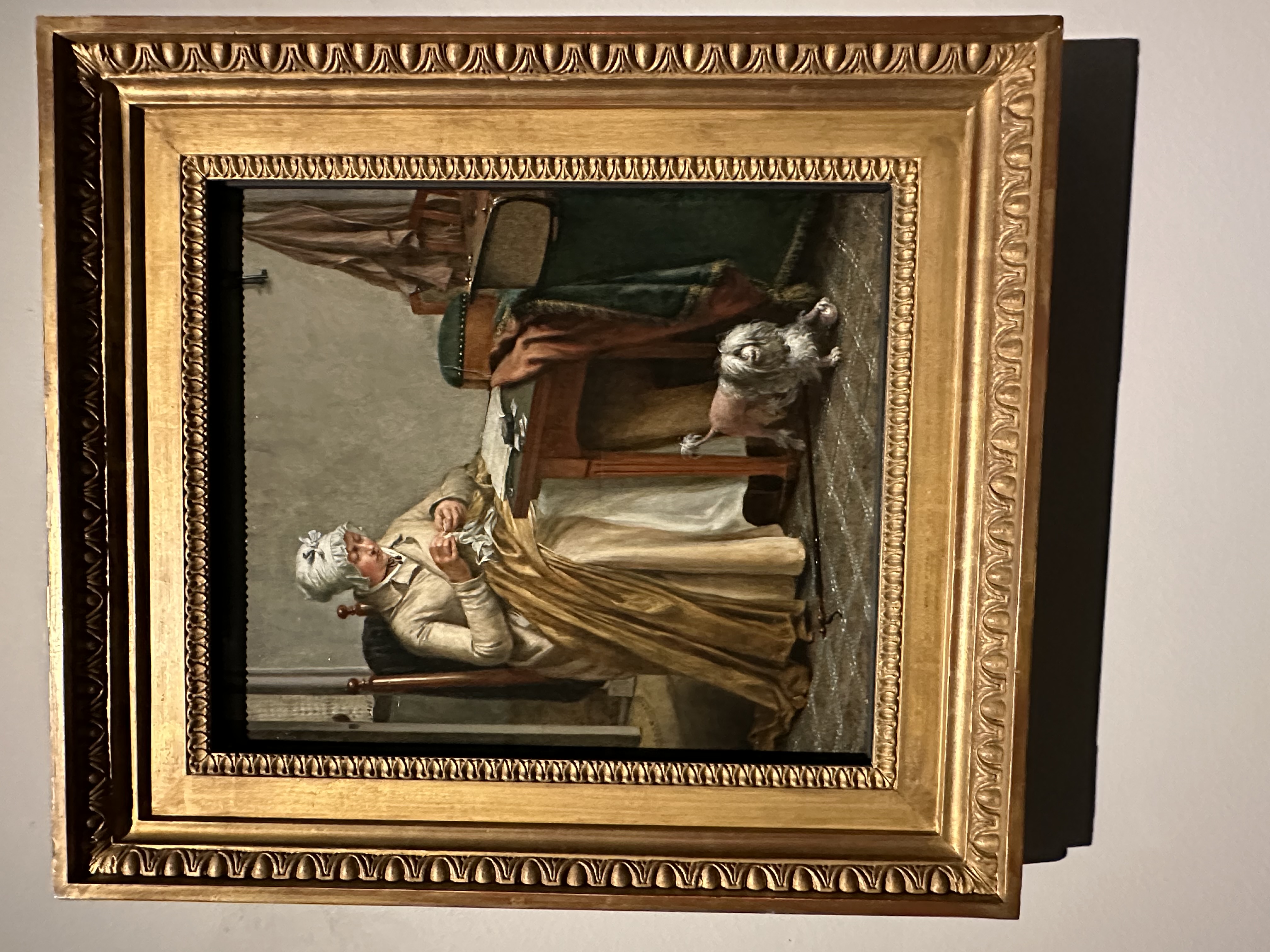
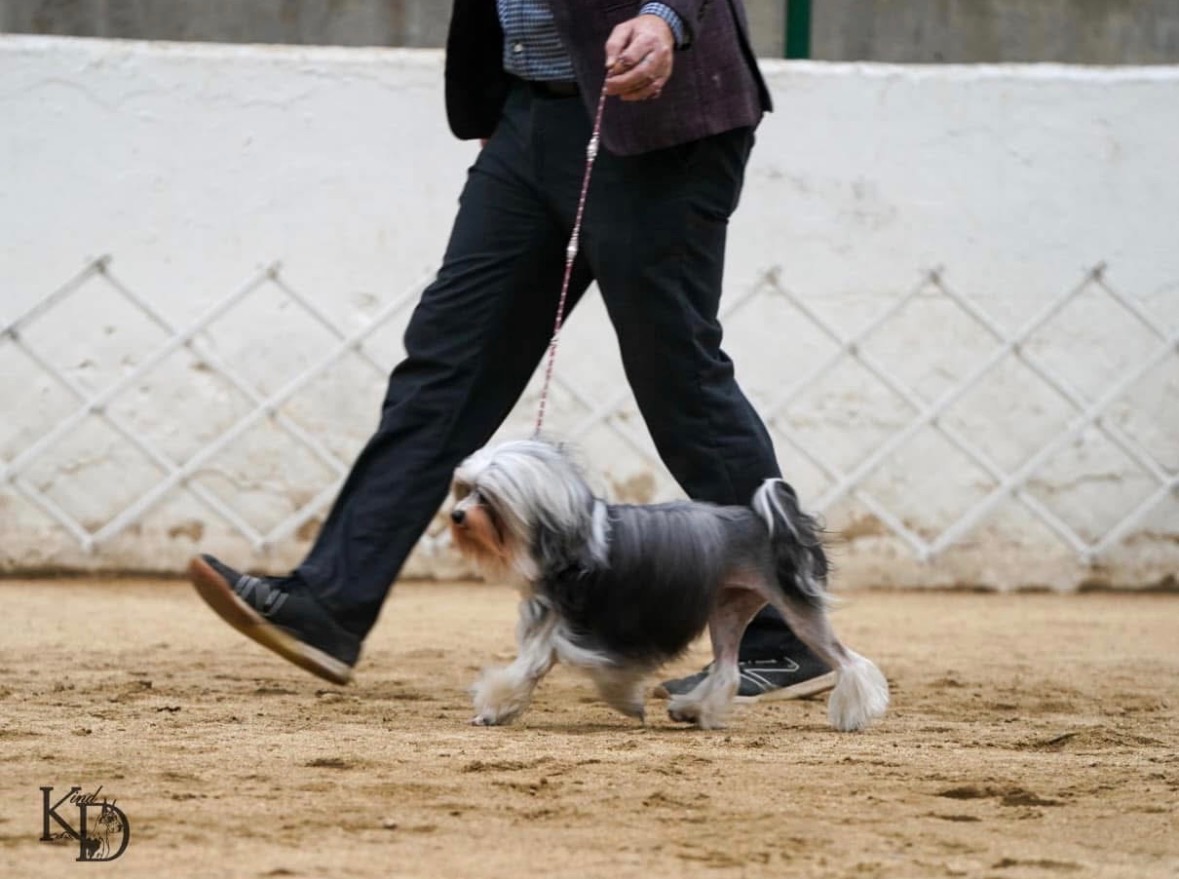
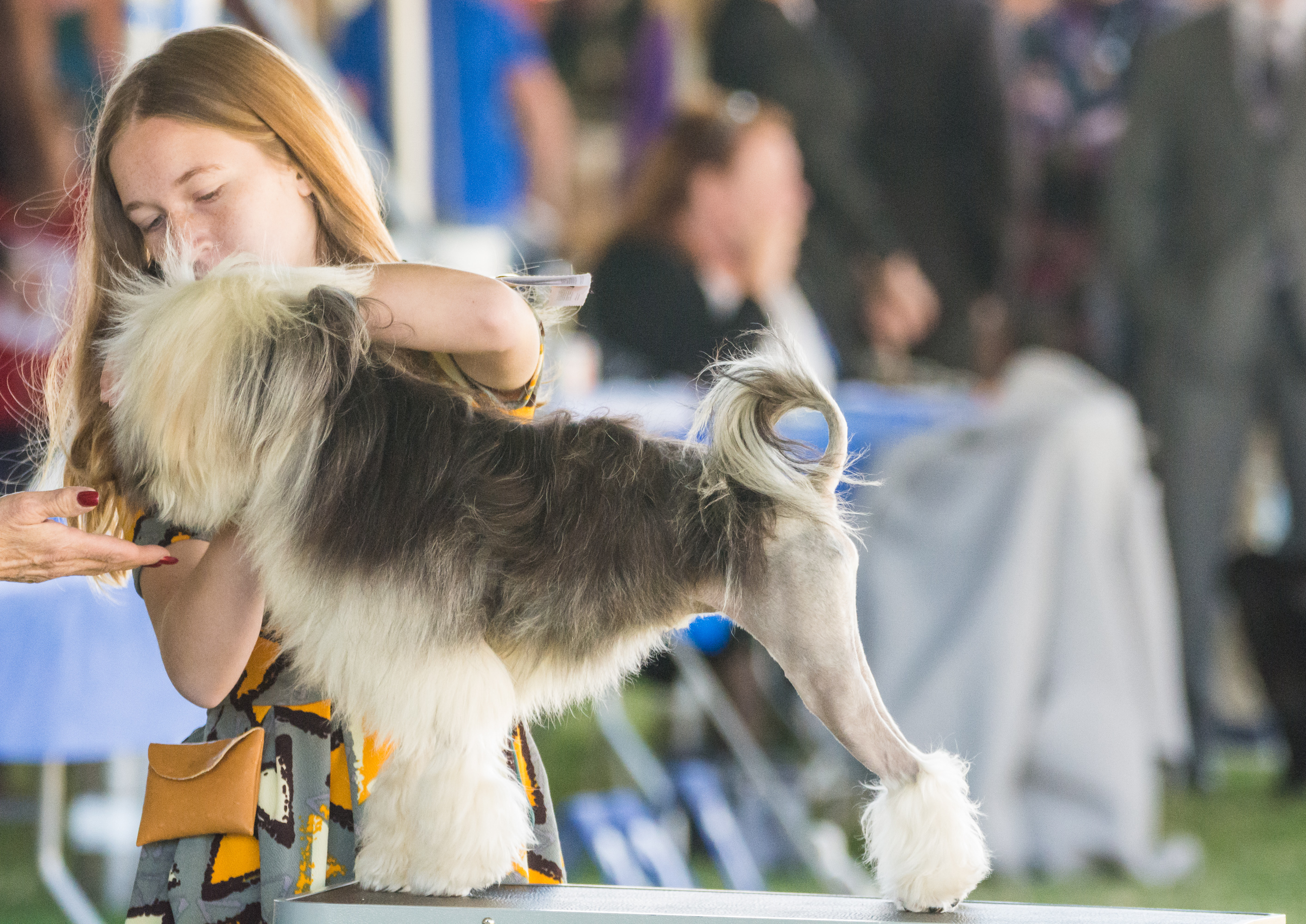
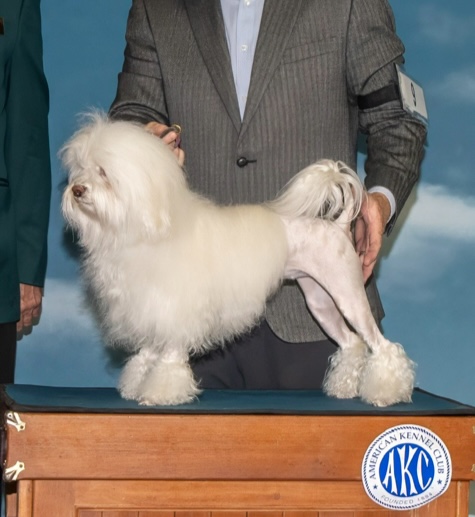
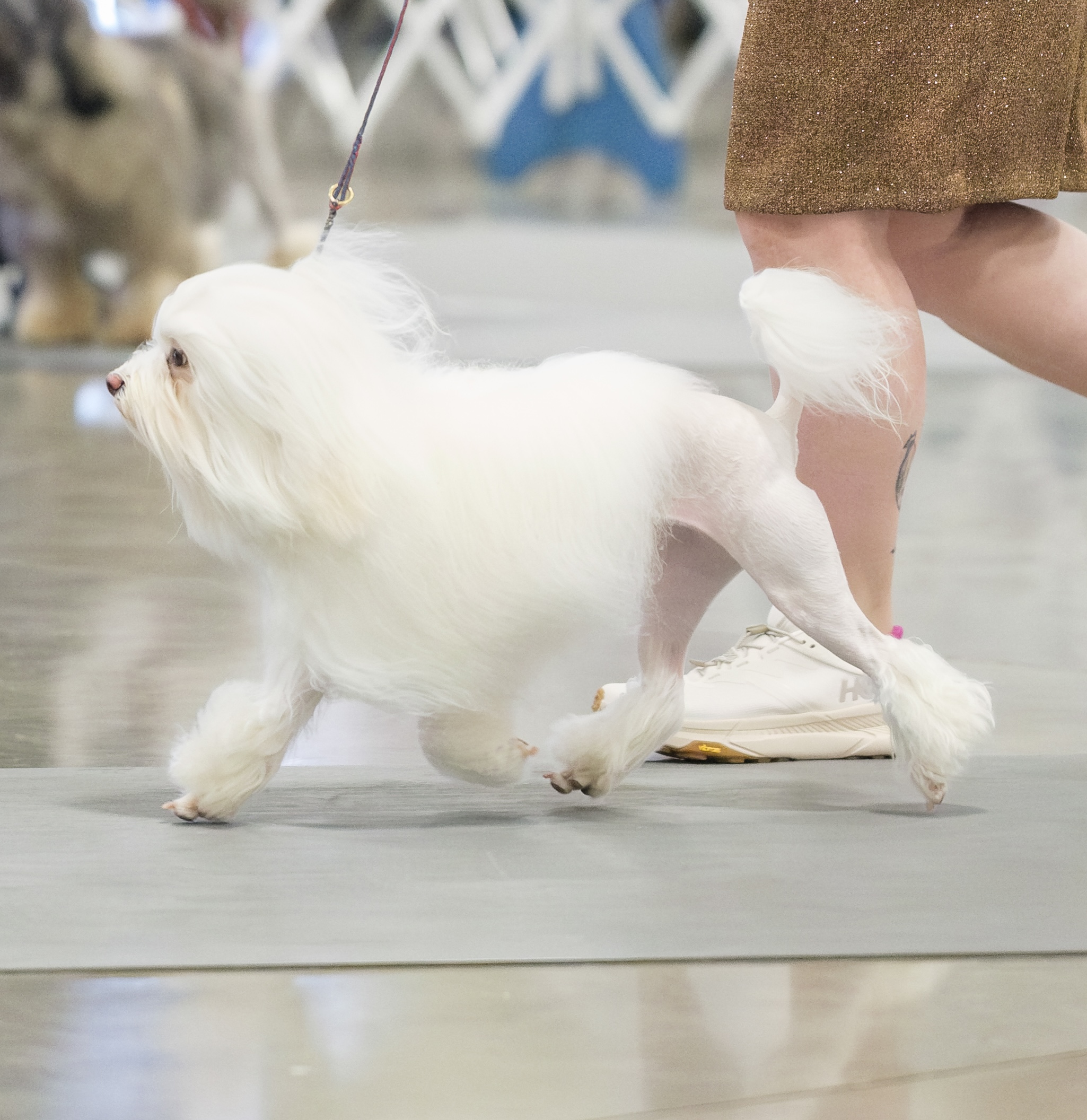
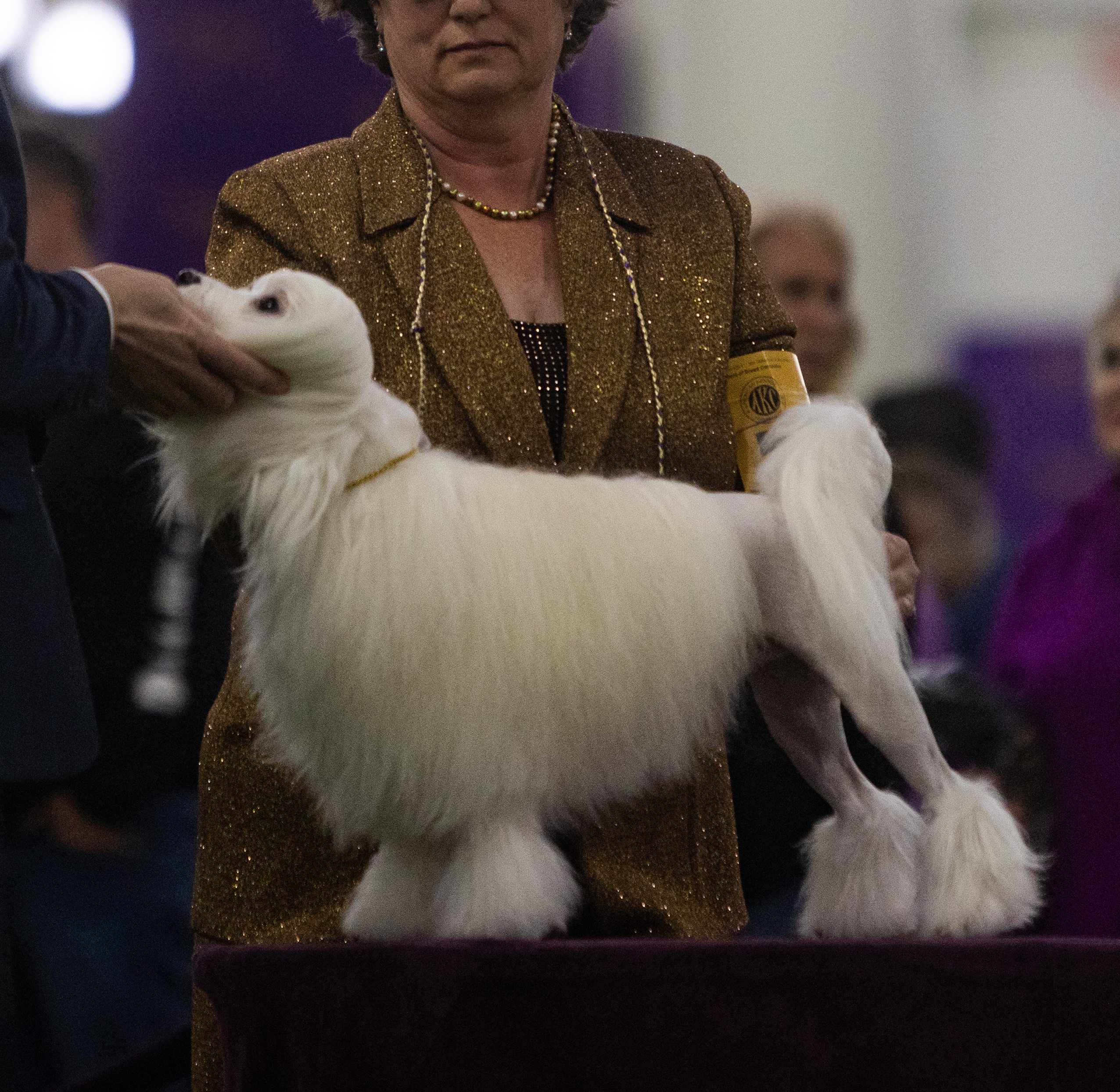
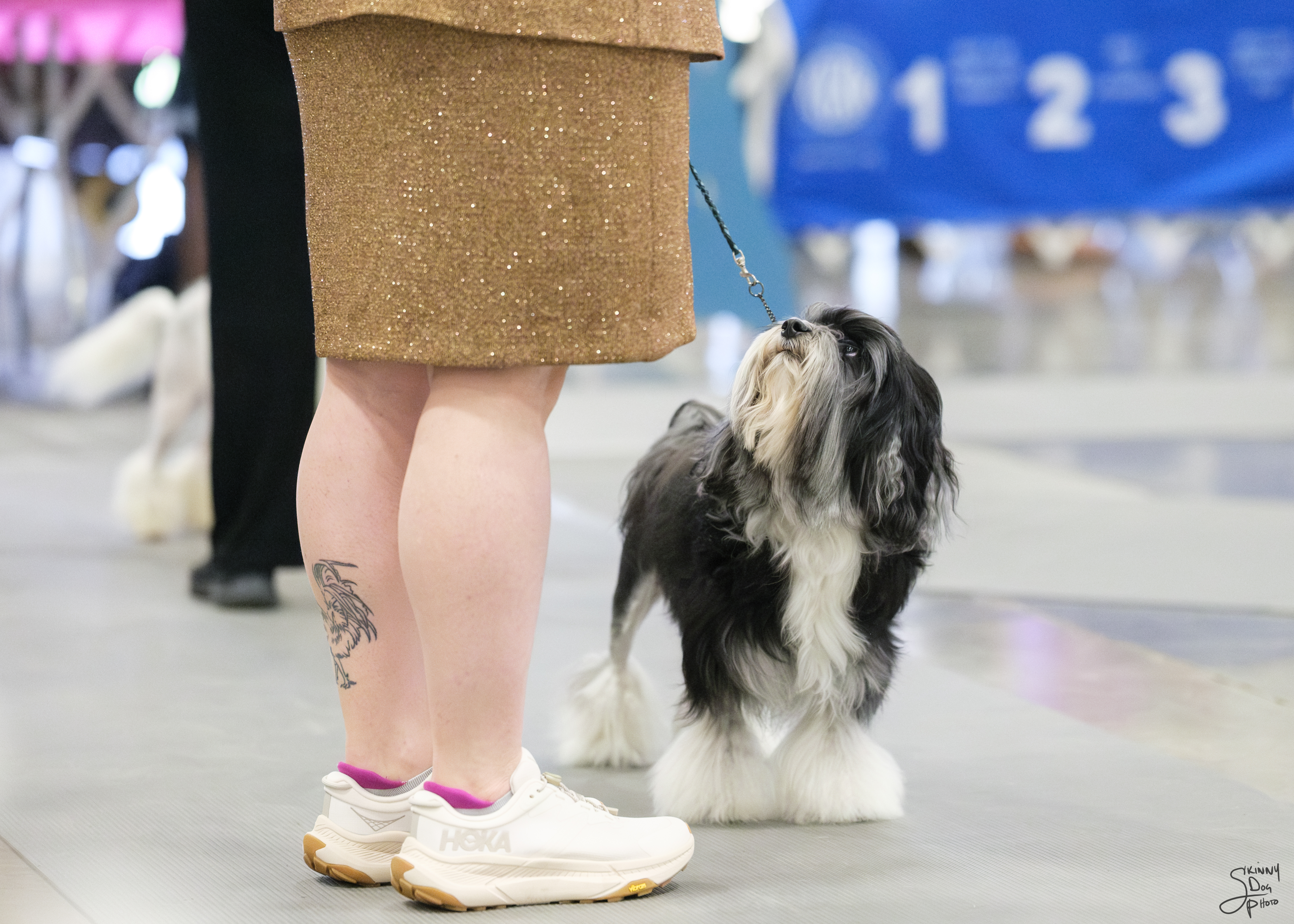
When you see a Löwchen in full show trim today, you're looking at a living piece of history. That iconic lion clip (full mane over the foreparts, bare hindquarters, plumed tail) has been the breed's hallmark for over six centuries. It isn't a fashion statement dreamed up by a modern groomer. It is the same silhouette that Renaissance artists reached for when they wanted to paint a dog worth painting.
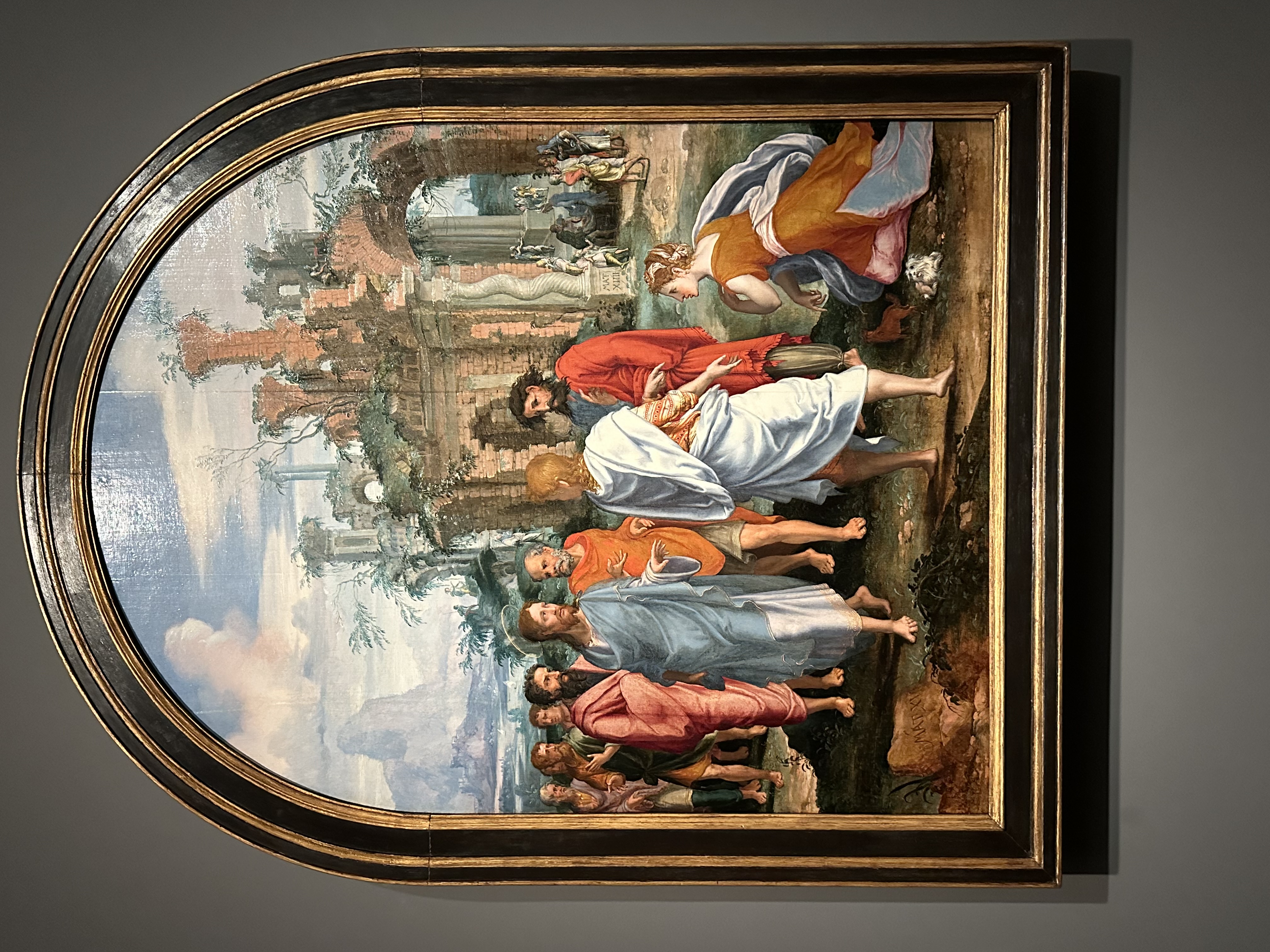
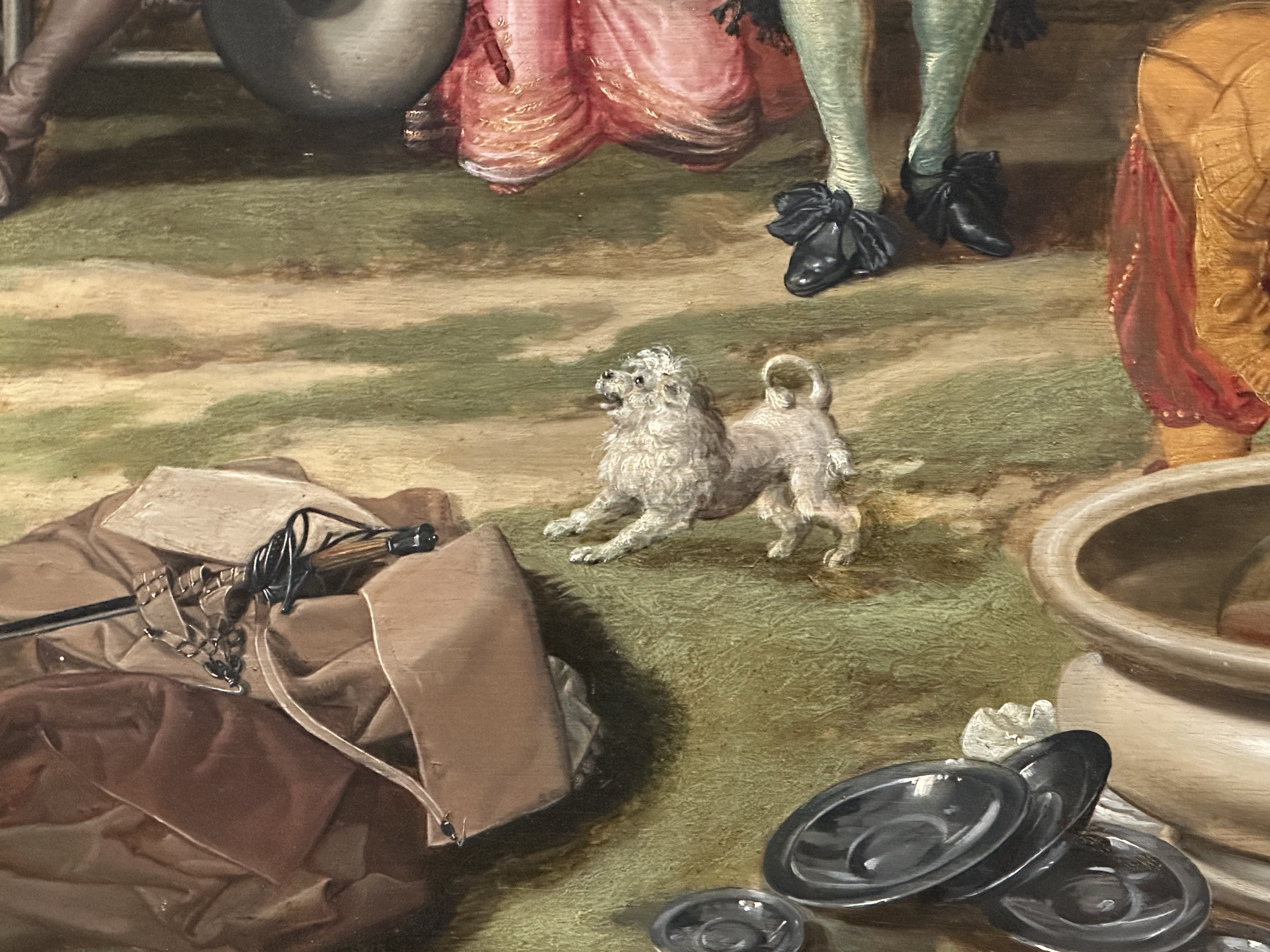
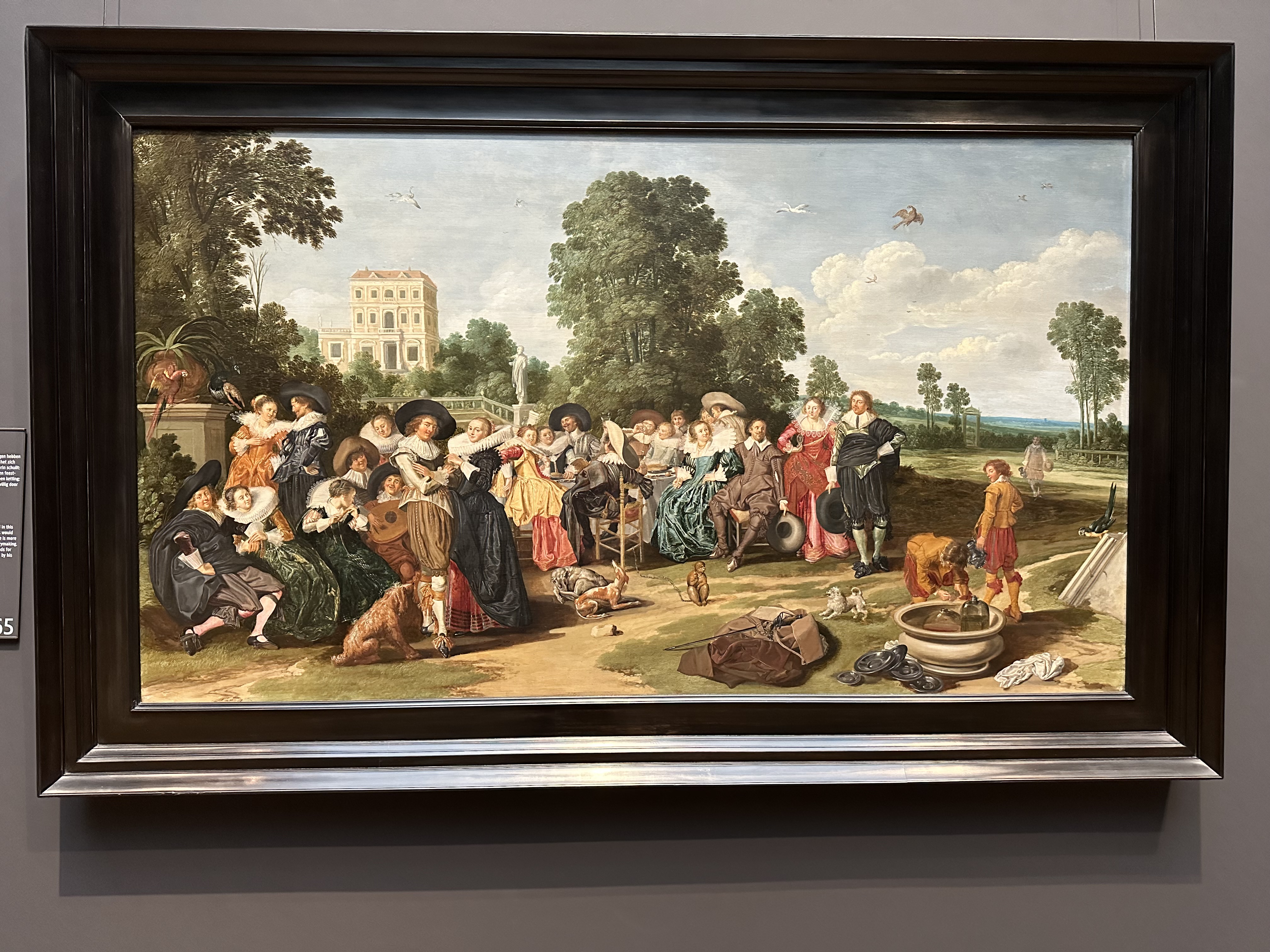
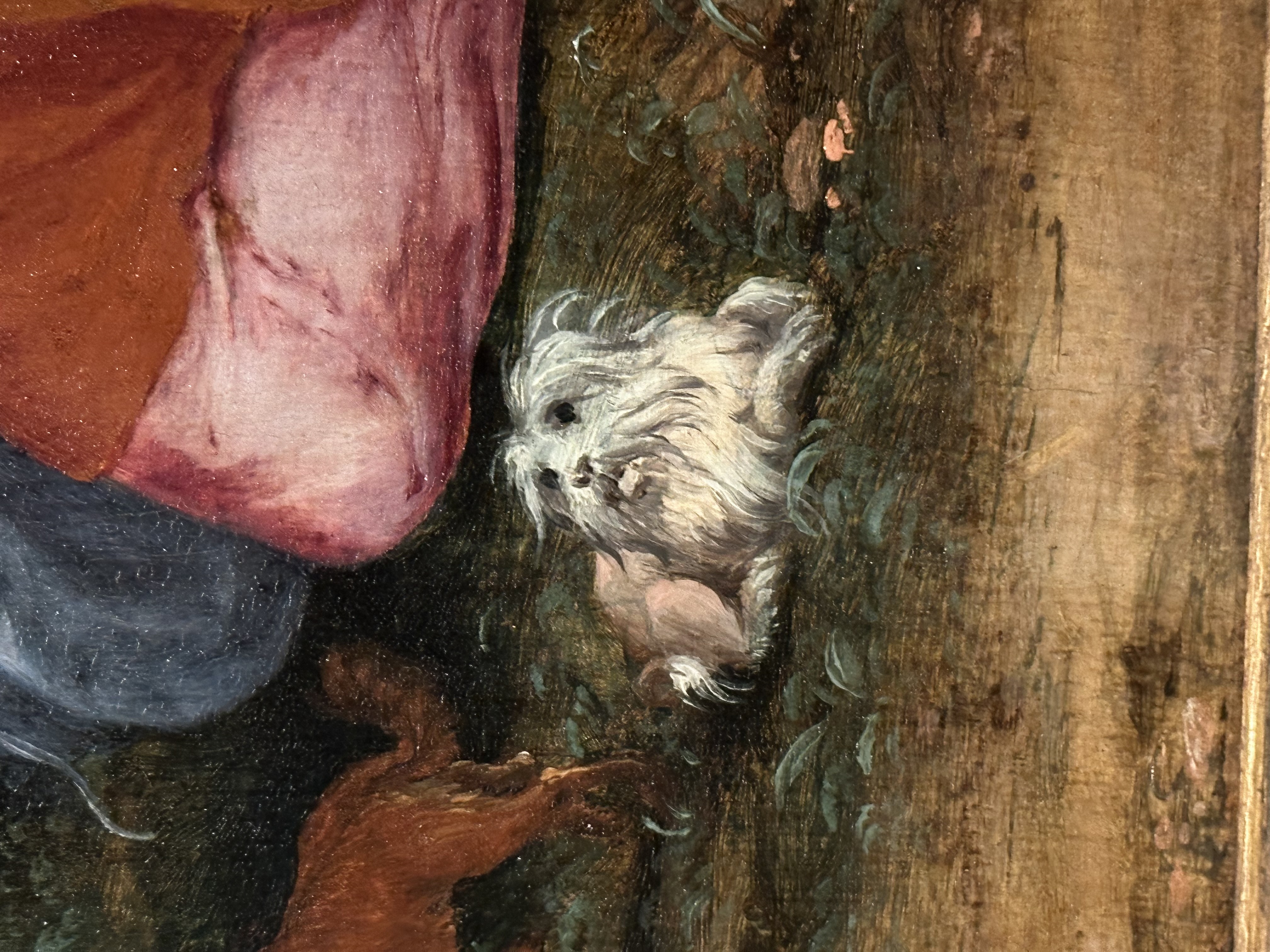
The Löwchen has been depicted in art since at least the 1400s, appearing in paintings, tapestries, woodcuts, and engravings across continental Europe, always instantly recognizable by that cut. The Dutch Masters painted them with particular frequency, tucked into banquet scenes (Gucci recreated one in this ad campaign), domestic interiors, and portraits of nobility, a testament to their status as cherished companions of the European elite.
When we show our dogs in the classic lion clip, we aren't just following a breed standard. We're honoring every breeder and every dog who kept this rare little lion alive long enough to reach us. The oil paintings below are photos we took of Löwchen depicted in art at the Rijksmuseum in Amsterdam. Same dog. Same cut. Six hundred years of continuity.
Curious about coat care and grooming? This guide by Calikij ↗ is an excellent introduction to Löwchen coat care, with grooming videos and helpful, printable guides. For recommended grooming supplies, see our Resources page.
Each one has a story, a personality, a favorite person, and a job they take seriously. Hover over any dog to meet them.


Angela's foundation in dogs was poured early, by someone extraordinary. Her great aunt, Florence "Deedle" Bradburn, bred AKC champion Miniature Schnauzers from the early 1940s through the 1980s, and visiting her kennel was Angela's version of going to grandma's house. Deedle wasn't just a successful breeder; she was a pioneer. She test-bred her own studs and those of other breeders against her affected bitches to systematically eliminate a hereditary form of blindness from the Miniature Schnauzer breed, decades before genetic testing existed. That work planted a seed.
It grew into a Zoology degree, then five years of graduate school pursuing a PhD in Ecology and Evolutionary Biology at Cornell University, work she ultimately set aside when her husband earned his own doctorate and their young family needed her at home. She never left the science behind. When their youngest daughter Oonagh was five, Ange set up a home PCR-based genetics lab to determine the sex of backyard chickens, the same equipment Oonagh now uses for her own research.
When her children reached more independence, Ange returned to purebred dogs. She had a personal re-defining moment when the family's first generation of dogs were coming to the ends of their lives. She saw these dogs who she had worked hard with while learning about dog training, leaving the world, and decided she wanted some of her investment in dogs to have a more lasting legacy. She sought the right fit for a rare breed for the family to work with: first with a Berger Picard, and then, through a serendipitous meeting with a dog named Cannoli and a sweet male named Roger, with the Löwchen. Every breeding decision at C.Hardt is made through a geneticist's lens: Coefficient of Inbreeding (COI), health testing, pedigree trait mapping, and a deep respect for the lesson Deedle taught her: that a breeder's greatest responsibility is to leave the breed better than they found it. Ange is a member in good standing of the Löwchen Club of America and serves on the LCA Health Committee, where she contributes her background in genetics to the collective effort of tracking and improving breed health across the population.
Wherever possible, decisions at C.Hardt, around breeding, behavior, rearing, and health, are grounded in evidence-based, peer-reviewed literature. The science of animal behavior, developmental biology, and canine genetics is always advancing, and Ange believes that the best breeders advance with it.
Among her greatest prides are being the breeder-owner-handler of two C.Hardt Löwchen herself, and knowing that two beloved boys she bred have found their forever homes with other families: cherished companions living their best lives beyond the kennel. These four dogs are the beginning of her legacy, and the measure by which she holds everything she does.
"She made massive progress eliminating blindness from a breed. That's the inheritance she left me: not just a love of dogs, but a standard for what breeders can achieve when they treat it as science."
Jeremiah and Ange met in a Vertebrate Zoology class at community college, a meeting that turned into a shared life built around animals, science, and family. They later worked side-by-side as undergraduates in Jack Sullivan's lab at the University of Idaho, studying phylogeography and learning molecular genetics lab techniques. Both earned Zoology degrees from that work. Jeremiah went on to complete a PhD in Computational Genetics, and his career in the biotech industry keeps him at the cutting edge of exactly the kind of hereditary science that underpins responsible dog breeding.
Before all of that, as a homeschooled high schooler, Jeremiah spent formative years working at a rescue zoo for large cats, where he learned positive reinforcement training from the ground up, teaching tigers to lie down on cue using chicken legs as rewards. That experience gave him an intuitive, patient, reward-based approach to working with animals that carries directly into how C.Hardt dogs are raised and conditioned.
It is worth knowing that Jeremiah is also a skilled knife-maker, coder, statistician, builder, and fantastic chef. He is, in the truest sense, a renaissance man. He would be the first person you'd want on your team in a zombie apocalypse. All of those qualities show up in the kennel too. Jeremiah is an active, hands-on partner in every aspect of the program: rearing litters, co-handling in the ring, and bringing a professional geneticist's eye to every pairing discussion.
Among the breadth of topics Jeremiah has co-authored — spanning human and non-human primate genomics, cancer, and more — he was also a contributor on a number of important canine genomics papers, including foundational work on dog domestication history and population structure:
"Teaching a tiger is good preparation for a Lion Dog. They're both smarter than you, and they both know it."
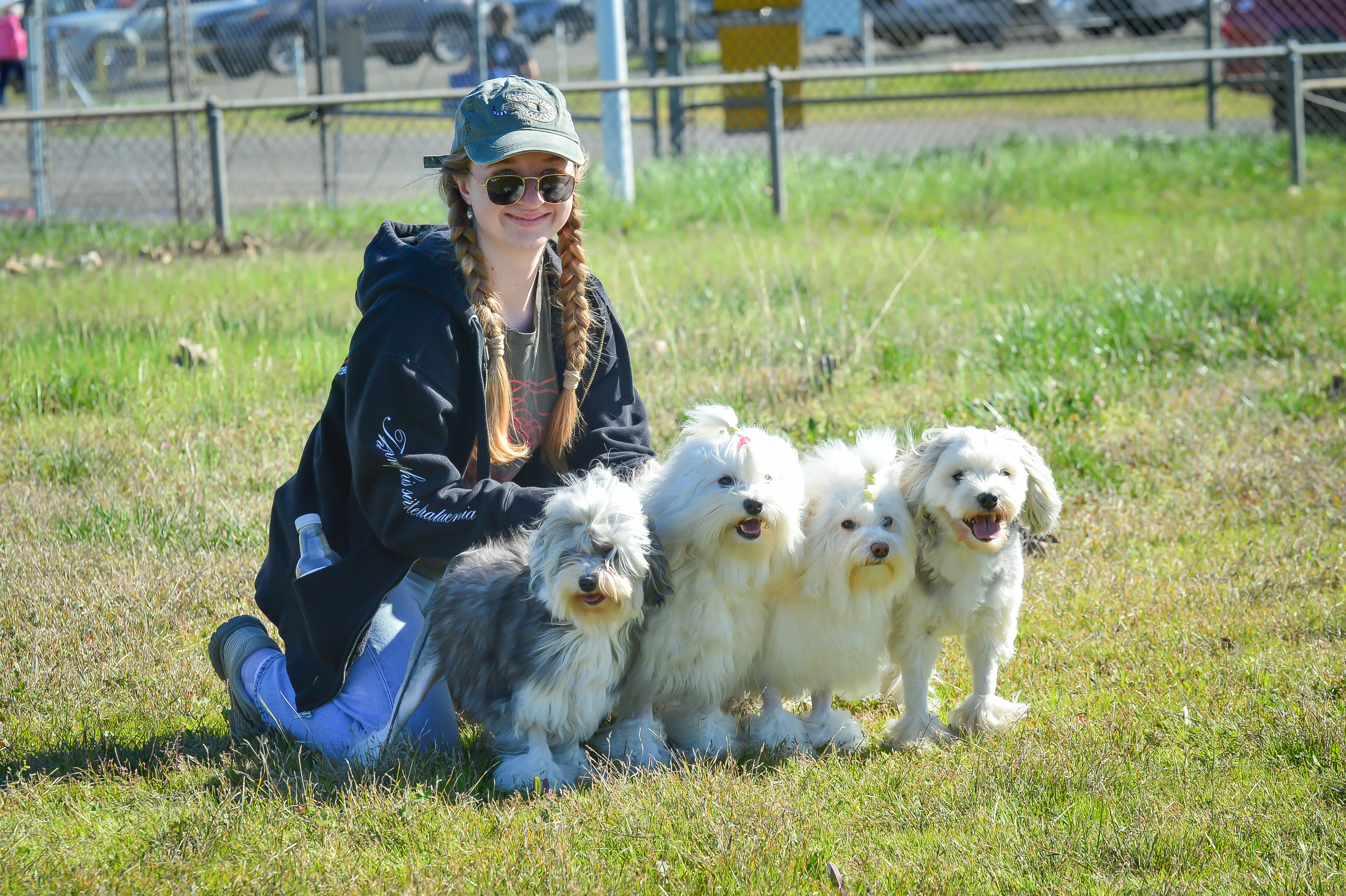
Oonagh has been training dogs in formal classes since she was six years old. At eleven, she asked for a Junior Showmanship dog of her own, and the family was lucky enough to be offered an opportunity to buy CC, a Löwchen who would become her partner, her project, and her champion. Oonagh was the near-sole handler throughout CC's show career, earning his championship title herself through her own skill and dedication. She has groomed CC his entire life, including the beautiful retirement clip he wears today. It was through CC's dam, Cannoli, and a sweet male named Roger (who would eventually sire C.Hardt's dog Super) that the whole family fell in love with the Löwchen breed.
At eighteen, Oonagh is a world expert on isopods (AKA woodlice, rolly polies, sowbugs, pillbugs) creatures most people barely notice. She co-authored her first scientific journal article the month she turned eighteen, and is currently at work on her second: original species and genus descriptions of native Californian isopod fauna. She helped found the American Isopod and Myriapod Group (AIMG). She volunteers at the California Academy of Sciences identifying specimens in their collection, and runs PCR reactions in the family's home genetics lab, the very same equipment Ange originally built to sex backyard chickens, now repurposed for taxonomy. She brings the same meticulous, science-first eye to the dogs she shows and loves: a handler who understands heredity, structure, and what it truly means to develop an animal over time.
In Search of Isopods — Arthroverts ↗ · Expanding Our Understanding of California's Native Armadillid Isopods — Experiment.com ↗
"CC taught me everything. How to read a dog, how to be patient, how to let the dog be the star."

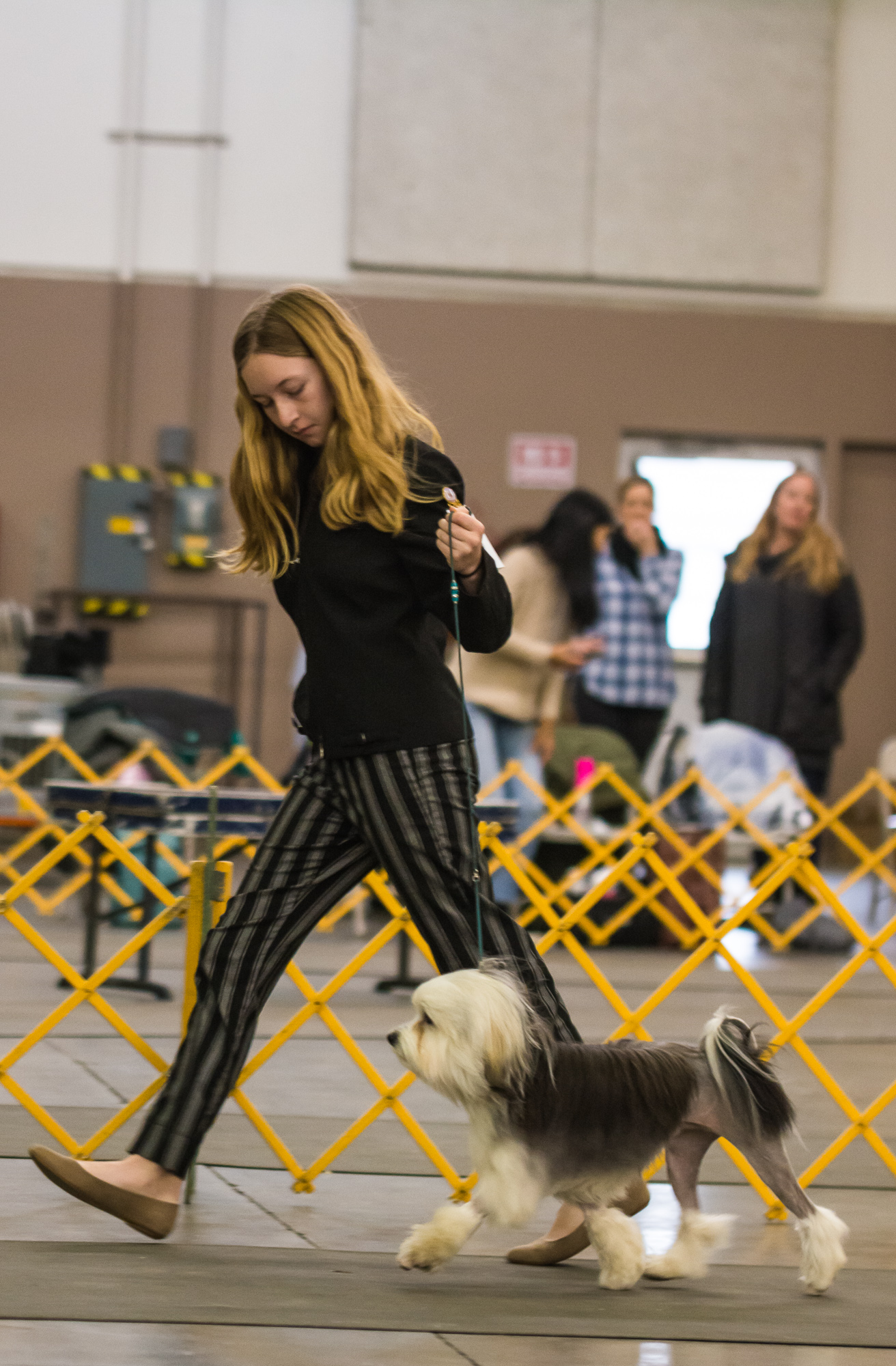
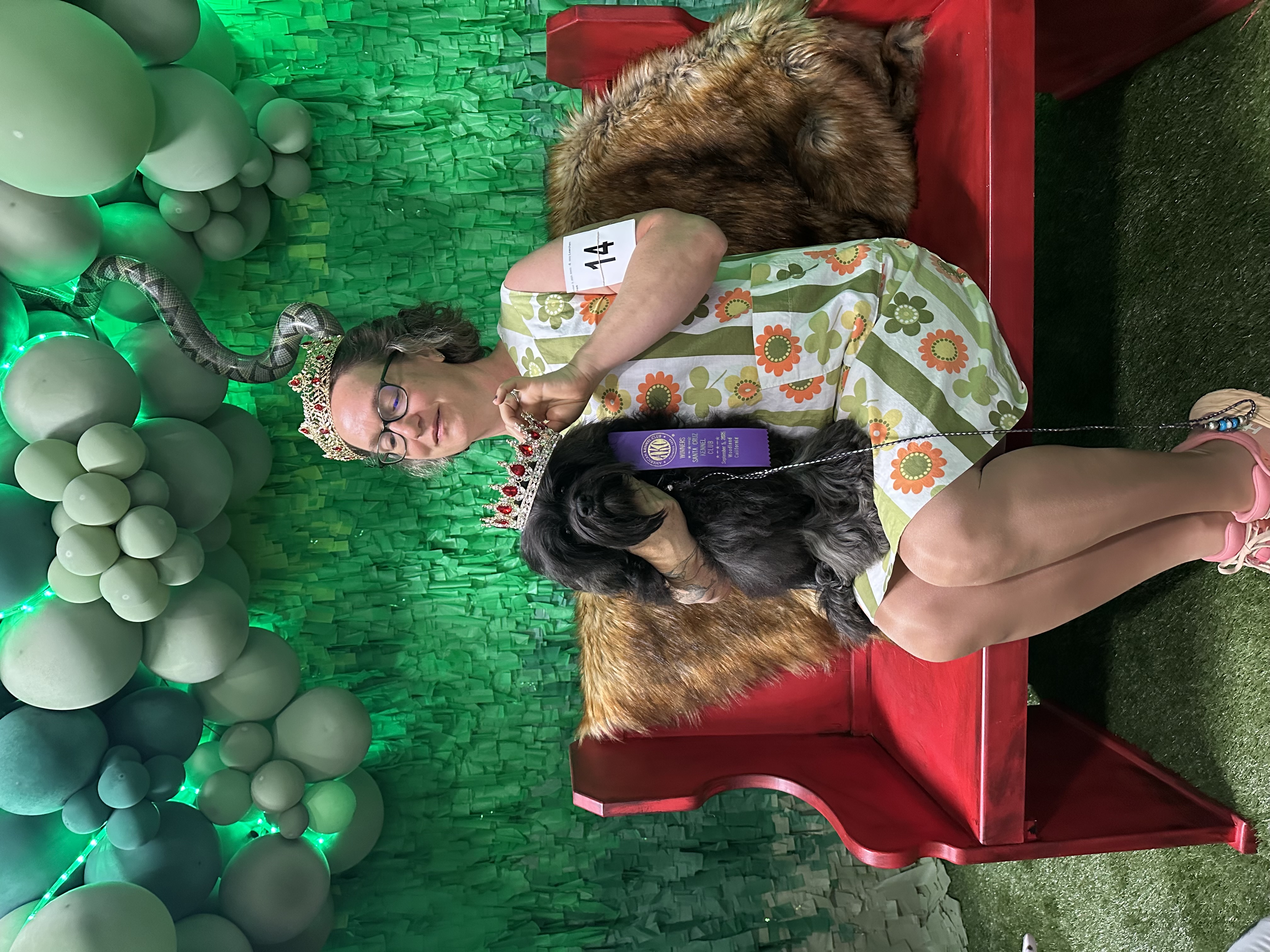
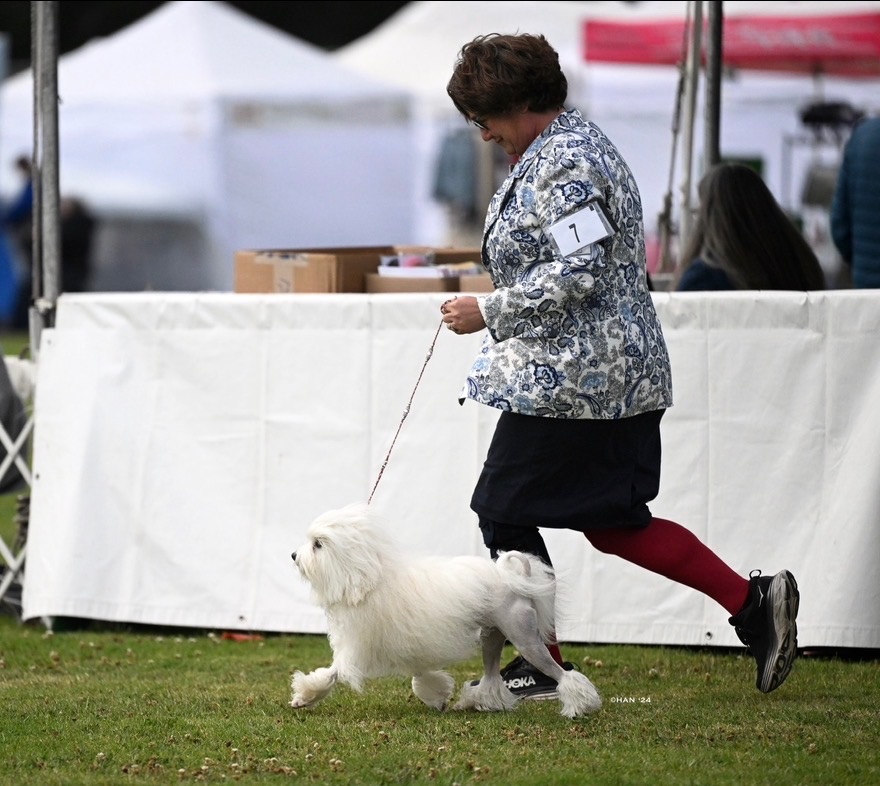
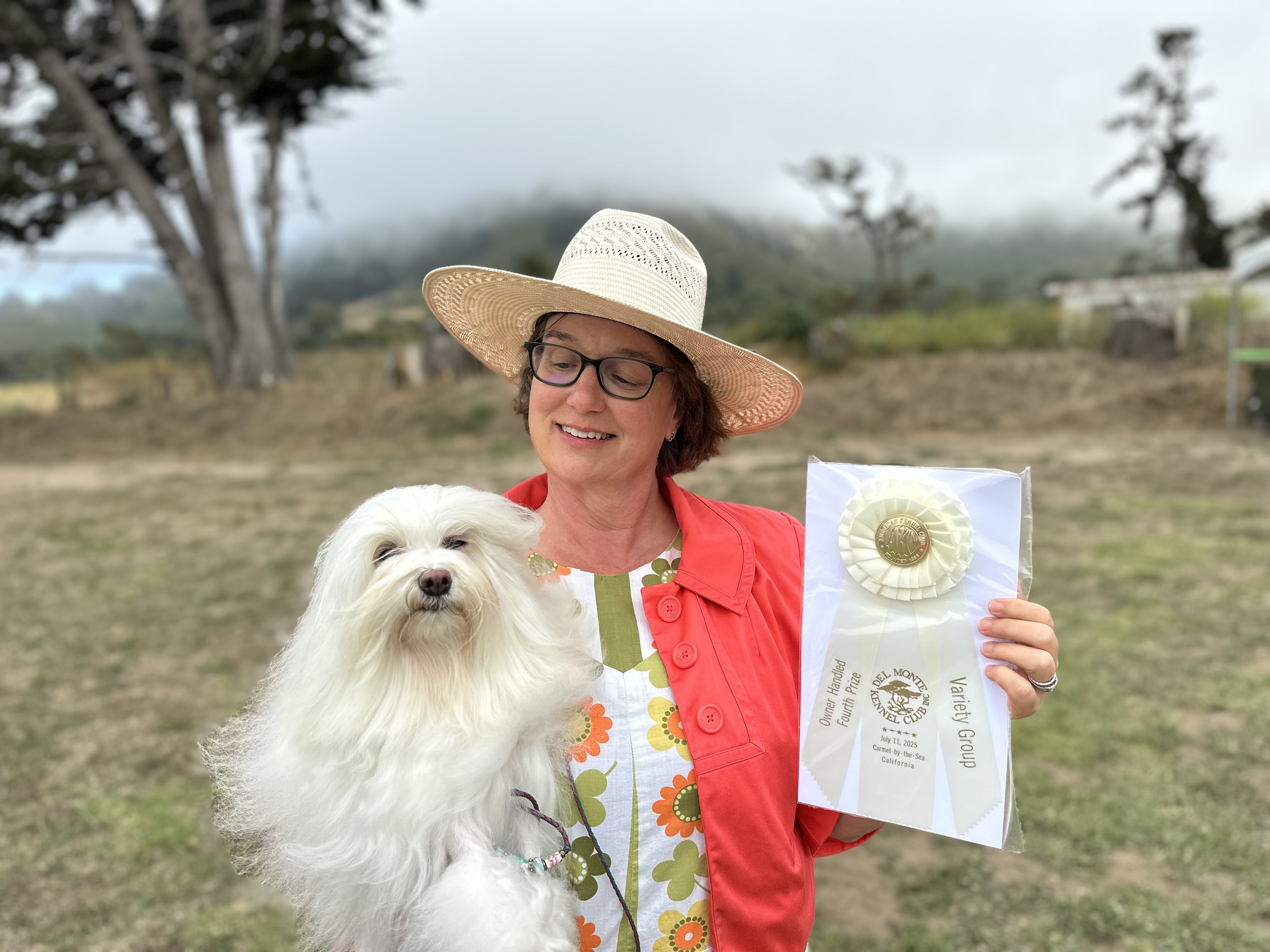
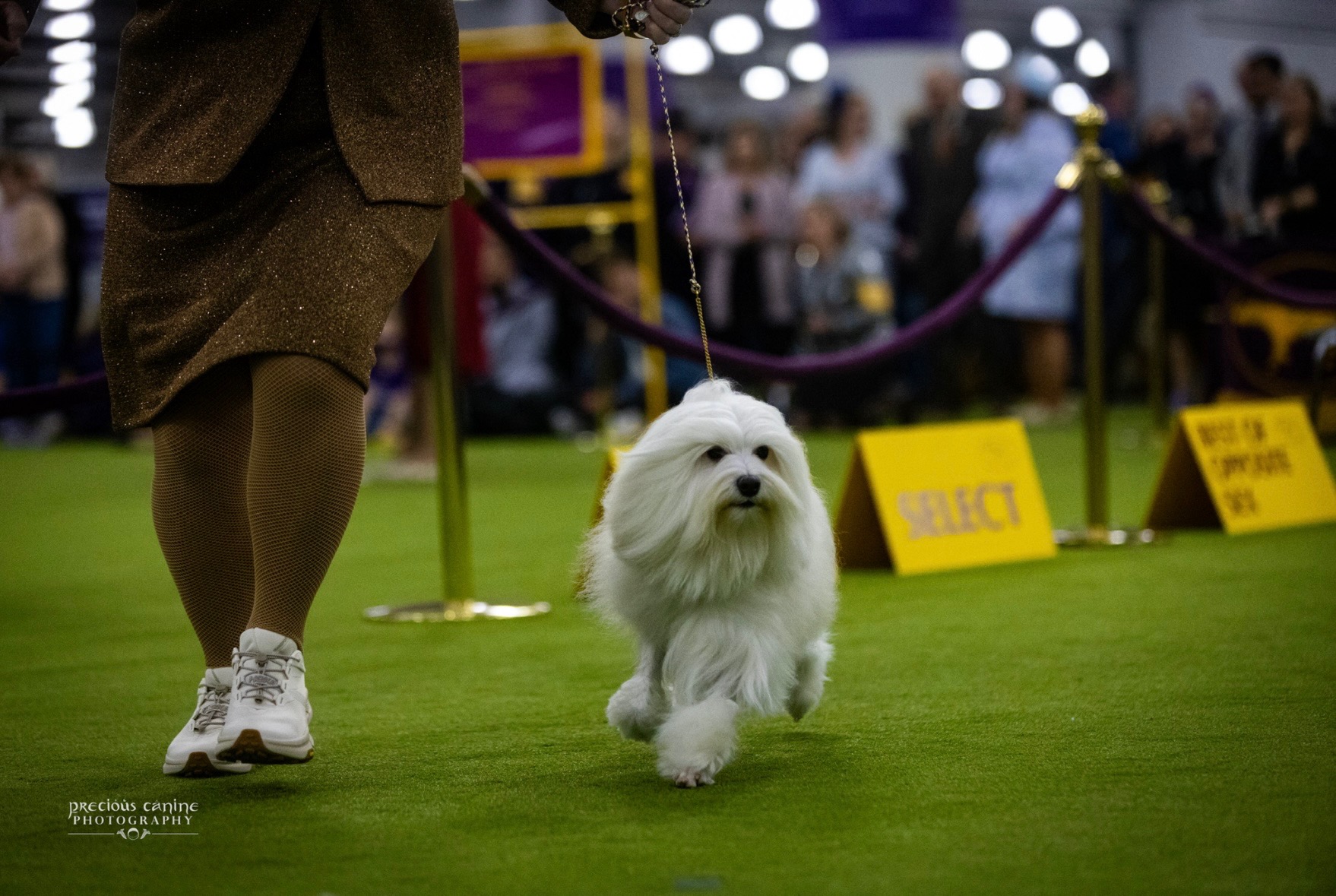
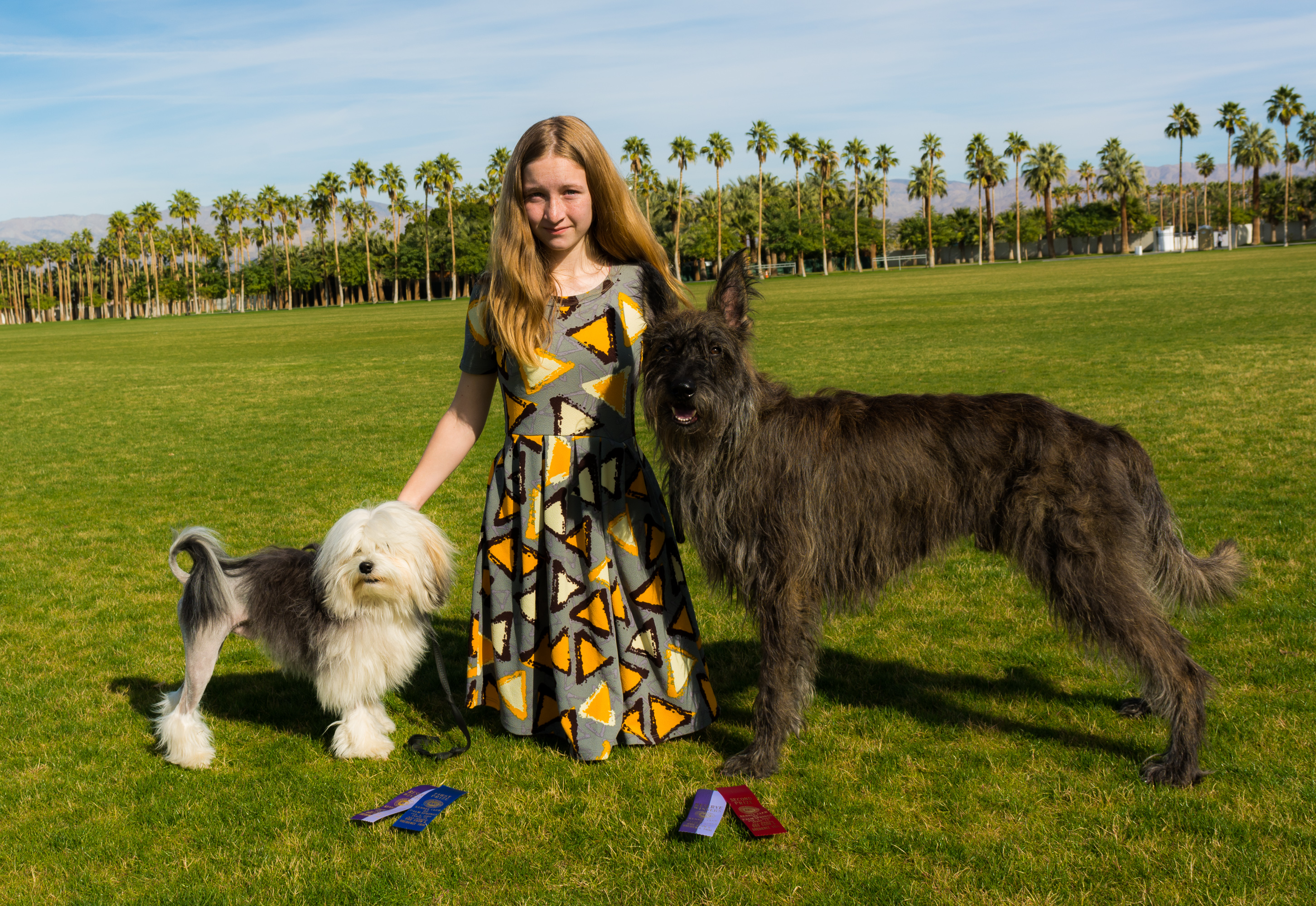
Conformation showing is the cornerstone of our program. Evaluating our dogs against the breed standard ensures we are producing Löwchen that are not only beautiful but structurally sound and true to type. Our dogs have earned numerous placements in the Owner Handled Group ring. We take conformation classes with Anna Diaz and a private group in the East Bay. We take pride in presenting them in a way that lets them shine.

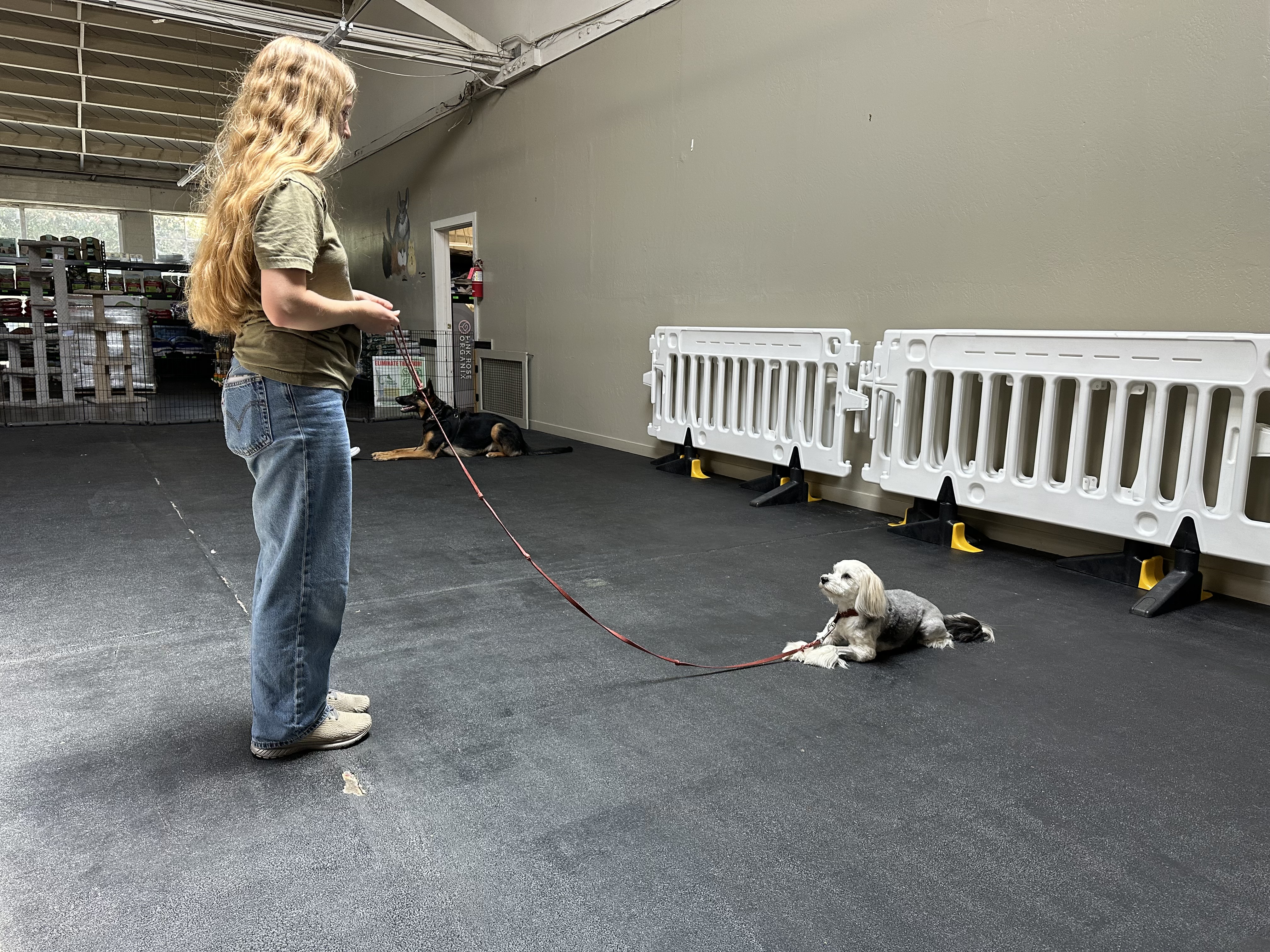
The Löwchen is a naturally biddable breed, and training showcases their intelligence and willingness beautifully. We train our dogs continuously: for the joy of it, for the relationship it builds, and because a trained dog is a happier dog. Our household practices reward-based training rooted in positive reinforcement. Oonagh began her formal obedience training at age six with Rav'n Dog Training, and that foundation has shaped how the whole family approaches the work. While we don't currently trial in formal obedience, our dogs are well-schooled and keen. Other Löwchen owners do take the breed all the way through titling, and they excel, from Companion Dog through Utility and Rally.

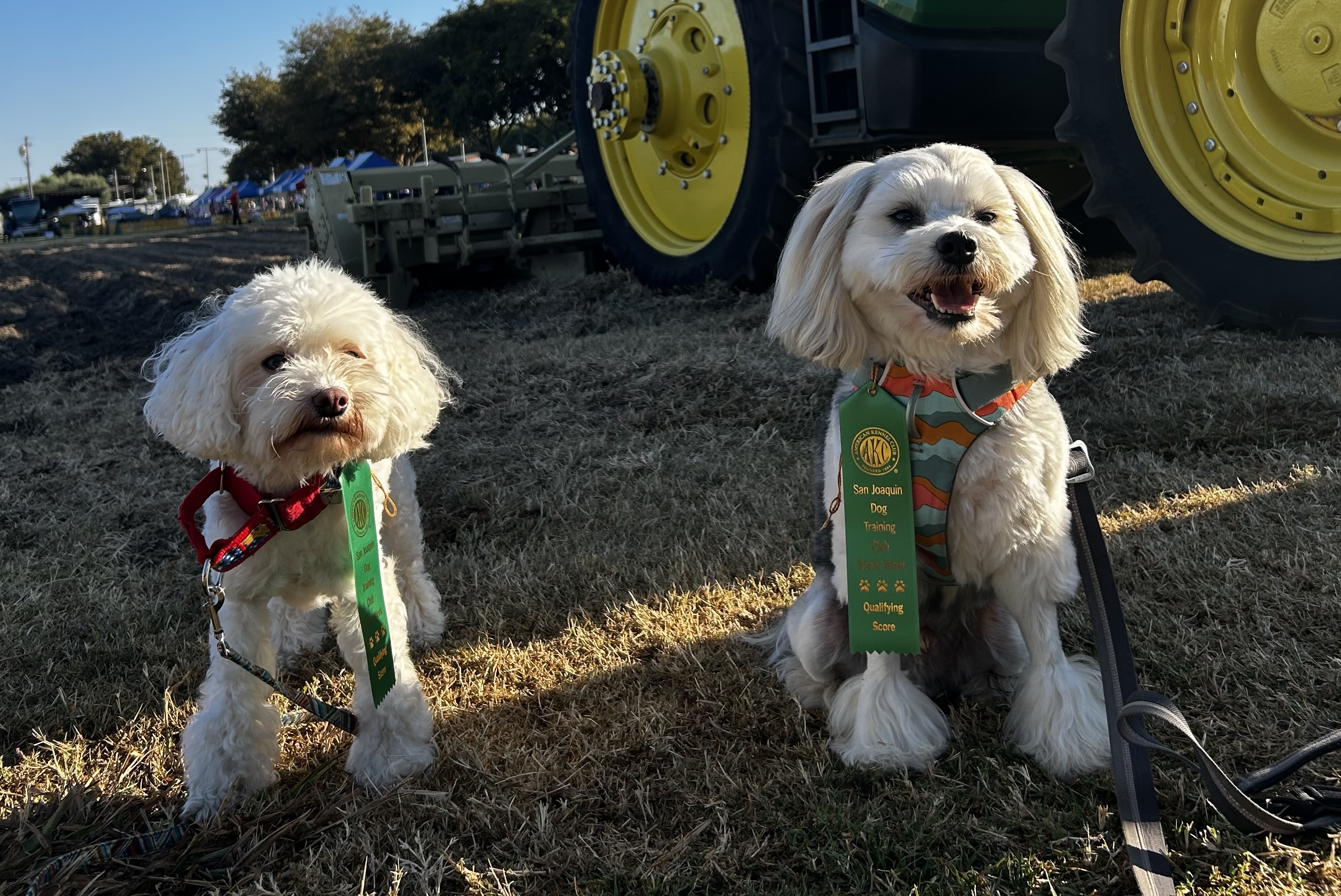
Scent detection taps into every dog's natural drives and is one of the most enriching activities we do. Using the same sniffing methods as explosive- and drug-detection animals, dogs learn to locate specific essential oils, specifically birch, clove, anise, and cypress, in a variety of environments and containers. Margot and CC train with Arlene Nichols at Rav'n Dog Training, and Margot finished among the top dogs in her very first trial. Löwchen take to scent work with tremendous enthusiasm: their problem-solving minds and remarkable noses make them outstanding competitors. It is also a sport that every dog, at any age or fitness level, can participate in, enjoy, and excel.

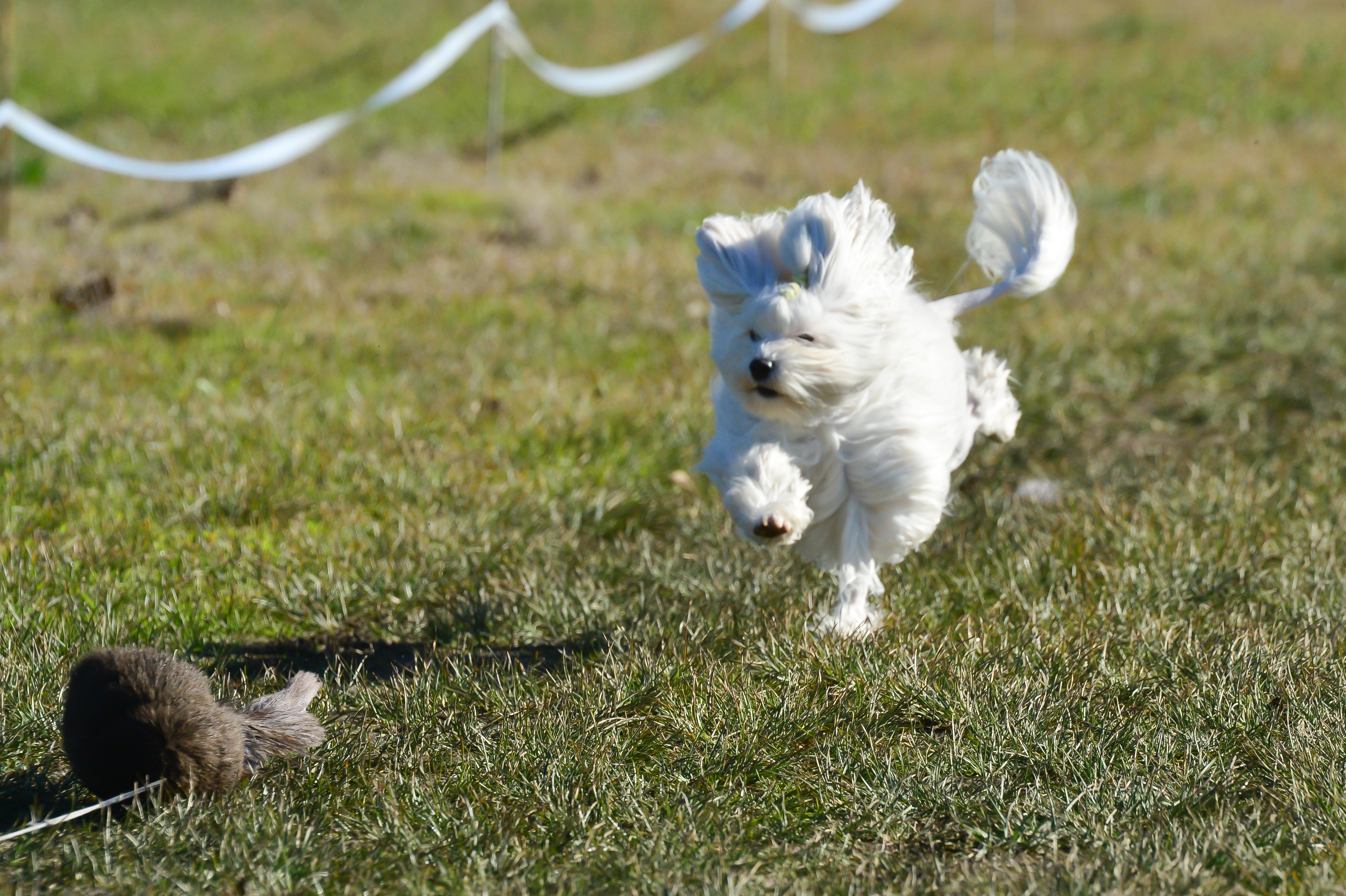
FastCat, the AKC's timed 100-yard dash chasing a lure, is pure joyful speed. Löwchen are surprisingly quick, and this high-energy sport is an ideal outlet for their athleticism and prey drive. It's one of the most fun events you can watch, and our dogs attack it with characteristic Löwchen enthusiasm.

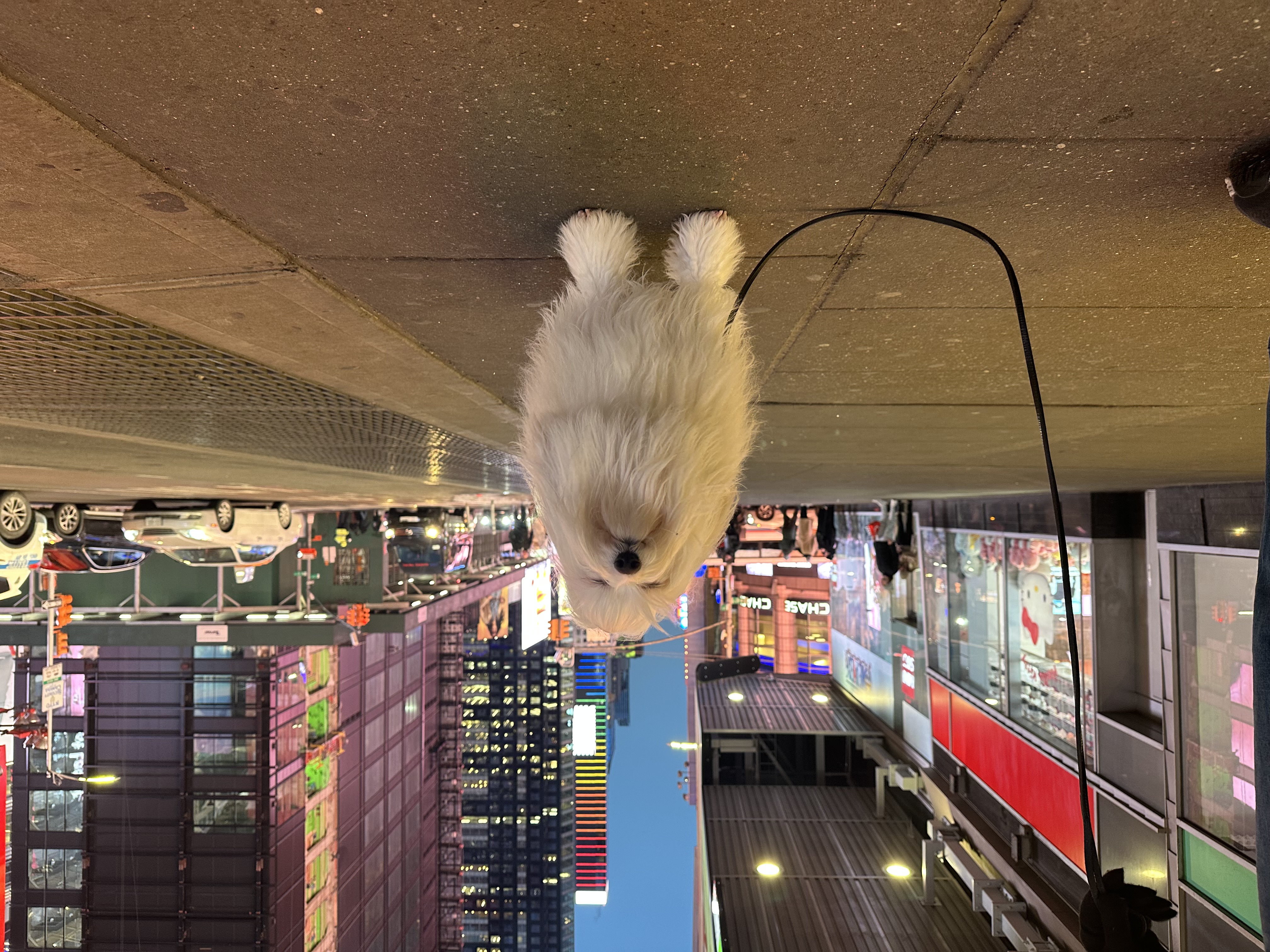
The Löwchen is a remarkably versatile companion, equally at home on a cliffside trail or a city sidewalk. Some of ours prefer a stroll through San Francisco over a rugged hike; others thrive on rough terrain and love a challenge. They travel beautifully in a bag under an airplane seat, settle happily in hotels, and take new environments in stride. Wherever life takes you, a well-raised Löwchen will go willingly, and bring a little extra joy to the journey.
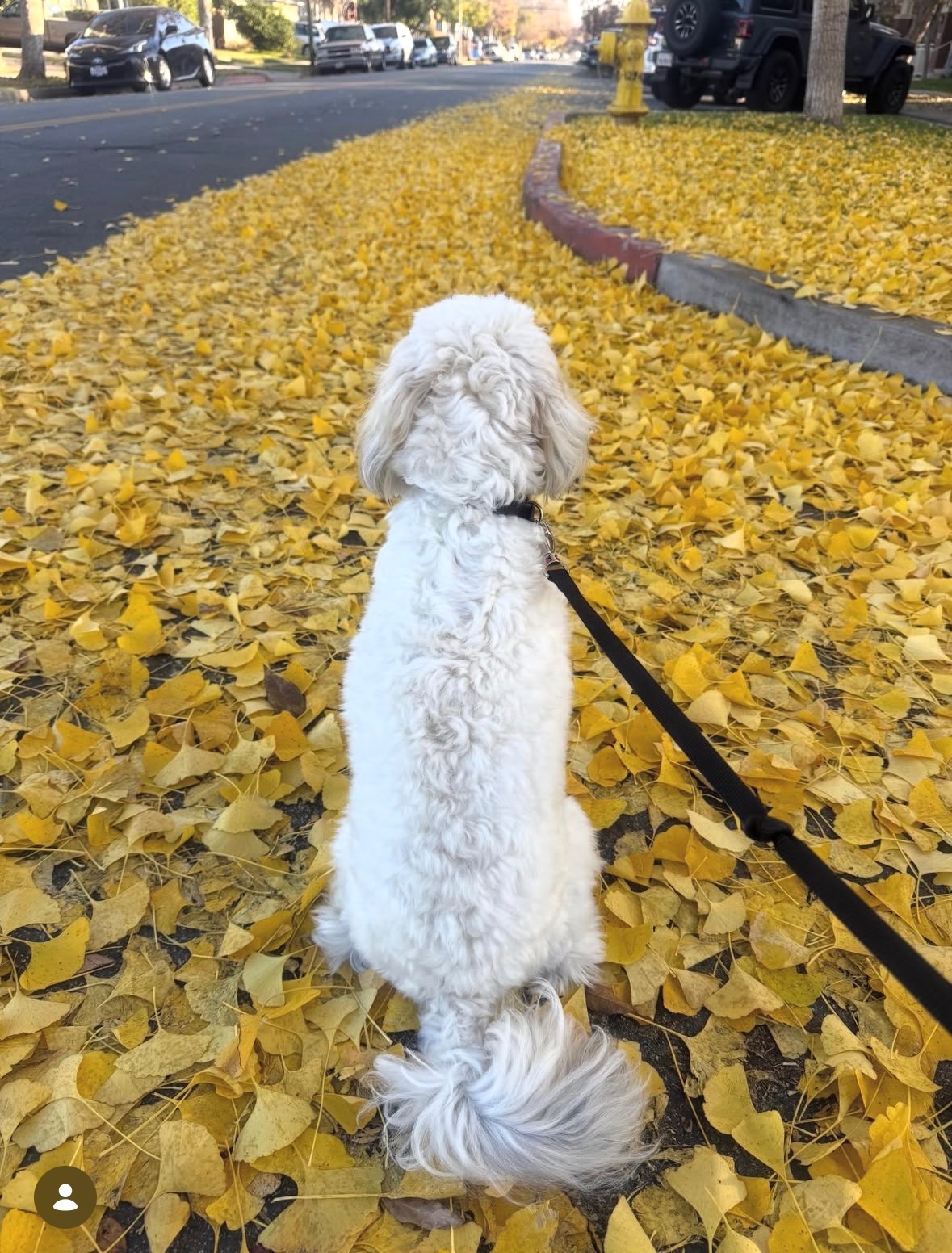
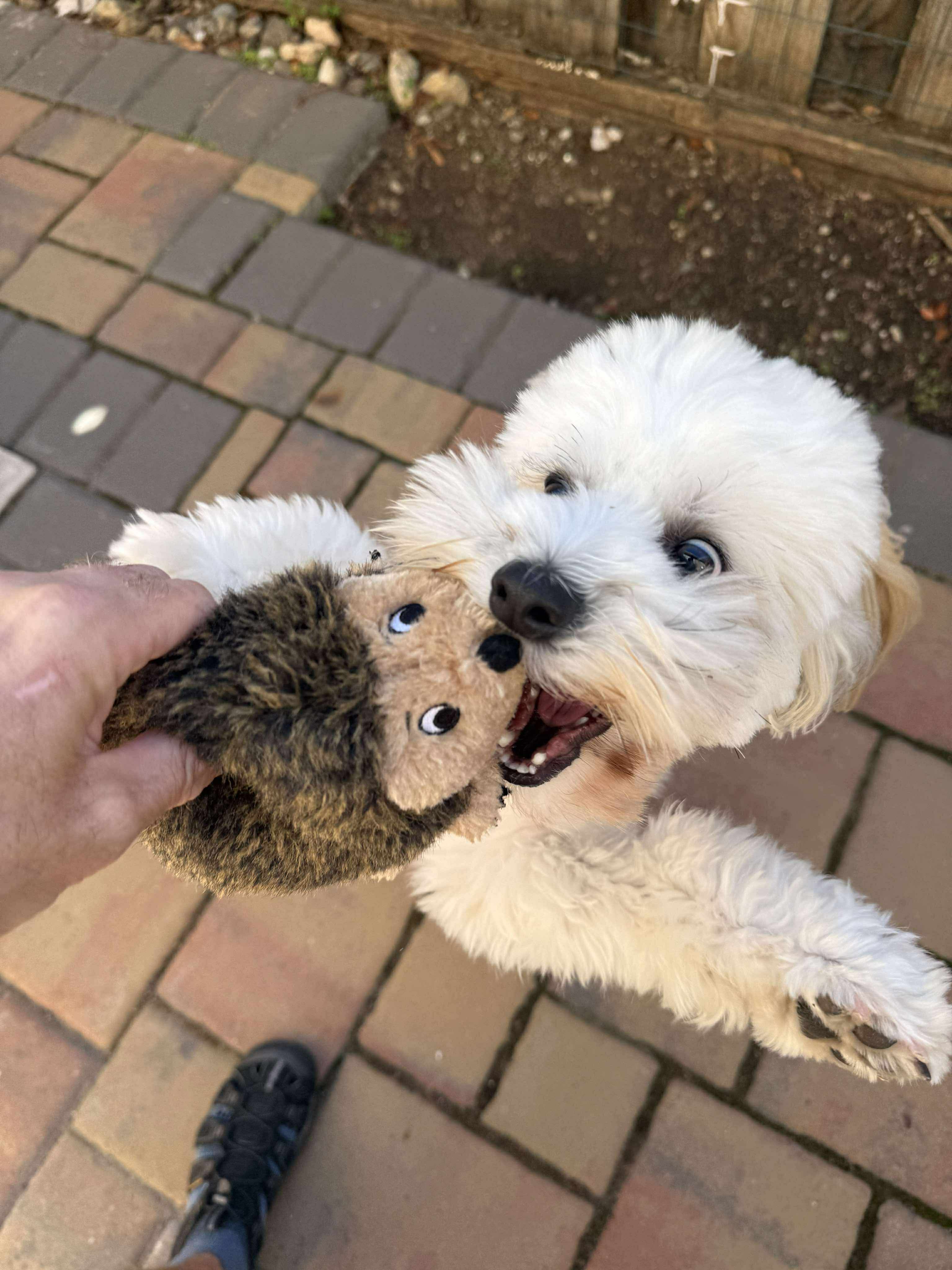
At C.Hardt Löwchen, health testing is not optional. It is the foundation of every breeding decision we make. We are committed to transparency about known issues in the breed, and all of our dogs are health tested prior to making any breeding decisions. In a breed this rare, however, we sometimes must be thoughtful about not throwing the baby out with the bathwater. Health-informed breeding decisions are complex: we strive to bring forward as much genetic diversity as possible while also advancing the health of the breed. We believe those two goals are best pursued together, not in opposition.
Patellar luxation, where the kneecap slips out of position, is a concern in many small breeds including the Löwchen. We have all breeding dogs evaluated by a board-certified veterinary orthopedist, and we strive to help move our breed forward with tight, well-seated patellas in every generation.
The LCA recommends hip radiographs evaluated through the OFA for all breeding dogs after age two. We complete hip x-rays for all of our breeding dogs to meet this standard. We also extend screening to littermates who may not enter the breeding program, because understanding the full range of outcomes across a litter gives us a clearer picture of the genetic background we're working with, and helps us make more informed decisions for future pairings.
Progressive Retinal Atrophy (PRA) and hereditary cataracts have been identified in the breed. All of our breeding dogs undergo annual CAER (Companion Animal Eye Registry) examinations by a board-certified veterinary ophthalmologist. Importantly, none of the currently available genetic tests for PRA have been identified as corresponding to the genetic variants responsible for the Löwchen PRA variant. We therefore cannot rely on DNA panels alone. Instead, we combine honest health testing information shared within the breeder community with careful pedigree analysis, working together with other dedicated breeders to make the best choices we can to avoid genetic forms of blindness in our lines.
All of our Löwchen have been genotyped with Embark, and some have had particular markers tested through UC Davis. We are working in conjunction with other breeders and the LCA Health Committee to learn which health markers offered by Embark might correspond to meaningful health information for Löwchen. Until markers have been verified for the breed, we will continue to gather data through Embark and contribute what we find to the collective effort.
Meanwhile, we are all genetics nerds in this household. The coat traits feature through Embark is genuinely fun. We also keep a close eye on each dog's Coefficient of Inbreeding (COI) to understand whether our dogs sit toward the lower end of diversity for the breed, or whether they hold some additional genetic breadth that benefits the population.
Structural soundness (proper movement, topline, angulation, and proportion) directly impacts a dog's long-term quality of life and athletic ability. In conformation, we evaluate our dogs not for beauty alone, but for the functional correctness that predicts a sound, comfortable life. We strive to produce dogs with effortless, ground-covering movement whose joints will carry them comfortably well into old age. Structure and health are inseparable.
Small breeds are prone to dental overcrowding and malocclusion. We evaluate bite and dentition carefully. Good oral health is not merely cosmetic. Periodontal disease has been associated with systemic organ changes and is a risk factor for bacterial endocarditis in dogs.
Maintaining a lean body condition is one of the most evidence-backed things a dog owner can do to extend their dog's healthy lifespan. A landmark 14-year study of 48 Labrador Retrievers found that dogs maintained at lean body condition lived a median of 1.8 years longer than their overweight littermates, a 15% extension in lifespan. Lean dogs also showed significantly delayed onset of osteoarthritis, reduced frequency of hip dysplasia, better insulin sensitivity, and stronger immune function throughout life. We encourage every C.Hardt family to keep their dogs trim, with just-palpable ribs and a visible waist. A good-quality diet, appropriate portion control, and regular activity are among the greatest gifts you can give your dog.
We are committed to the long-term health of the Löwchen breed and actively participate in breed health surveys and registries. If you have questions about our specific testing protocols, results, or the health histories of our dogs, we welcome an open, honest conversation. Please reach out.
— Ange Stevenson, C.Hardt LöwchenGenetics and behavior have been Angela's passions since long before the first C.Hardt puppy was born. Her PhD thesis contained work in both. She has been studying dog training and training her own dogs, as well as helping others to train, since the early 1990s. Early learning and development is one of her strongest motivators to breed: she wants every C.Hardt puppy to leave with a lifelong love of learning and an optimistic view of the world already taking root.
To meet that goal, she has drawn knowledge and wisdom from breeding mentors, including her great aunt Deedle, and from three rearing programs: Puppy Culture, Avidog, and Suzanne Clothier's Enriched Puppy Protocol. Of the three, she draws most deeply from the Enriched Puppy Protocol, whose philosophy of building confidence, resilience, and connection aligns most closely with her own.
As each puppy reveals their developmental readiness to learn, we set just-right challenges in front of them. We never rush. We watch, we wait for the signal, and then we meet them exactly where they are.
Ange grew up in a breeding family. Her great aunt Deedle ran a champion Miniature Schnauzer kennel for decades, and Ange was shaped by that world from childhood. As an independent breeding family, our own program is younger, and we carry that awareness with gratitude and care. The lines in our household exist because of the generations of careful work done by breeders who came before us, and we are deeply grateful to the experienced mentors who have helped us find our footing.
We have two girls in our program who may someday have a litter. We breed sparingly, about once every two years for our kennel and only one or two times per dam. There are two selection processes at C.Hardt, and both are rigorous. The first is our breeding selection: every pairing is evaluated carefully for health, structure, temperament, and genetic diversity. We do not breed simply because the opportunity exists. The second is our home selection: we want to ensure that our puppies go to families with the emotional and financial means to support them for a lifetime, through their trying adolescent period, their golden years, and whatever trials may come in between.
Companion breeds are deeply devoted to their people, and it is one of the things we love most about them. But that devotion means we also need to set puppies up to become adults who can tolerate our departures without undue stress. We do this gently and deliberately, beginning before they ever leave us. Our dogs keep a regular nap schedule during the day, crated apart from us for rest periods. We begin this same rhythm with puppies in a quiet, tucked-in-for-naptime way, so that time apart already feels normal and safe by the time they go home.
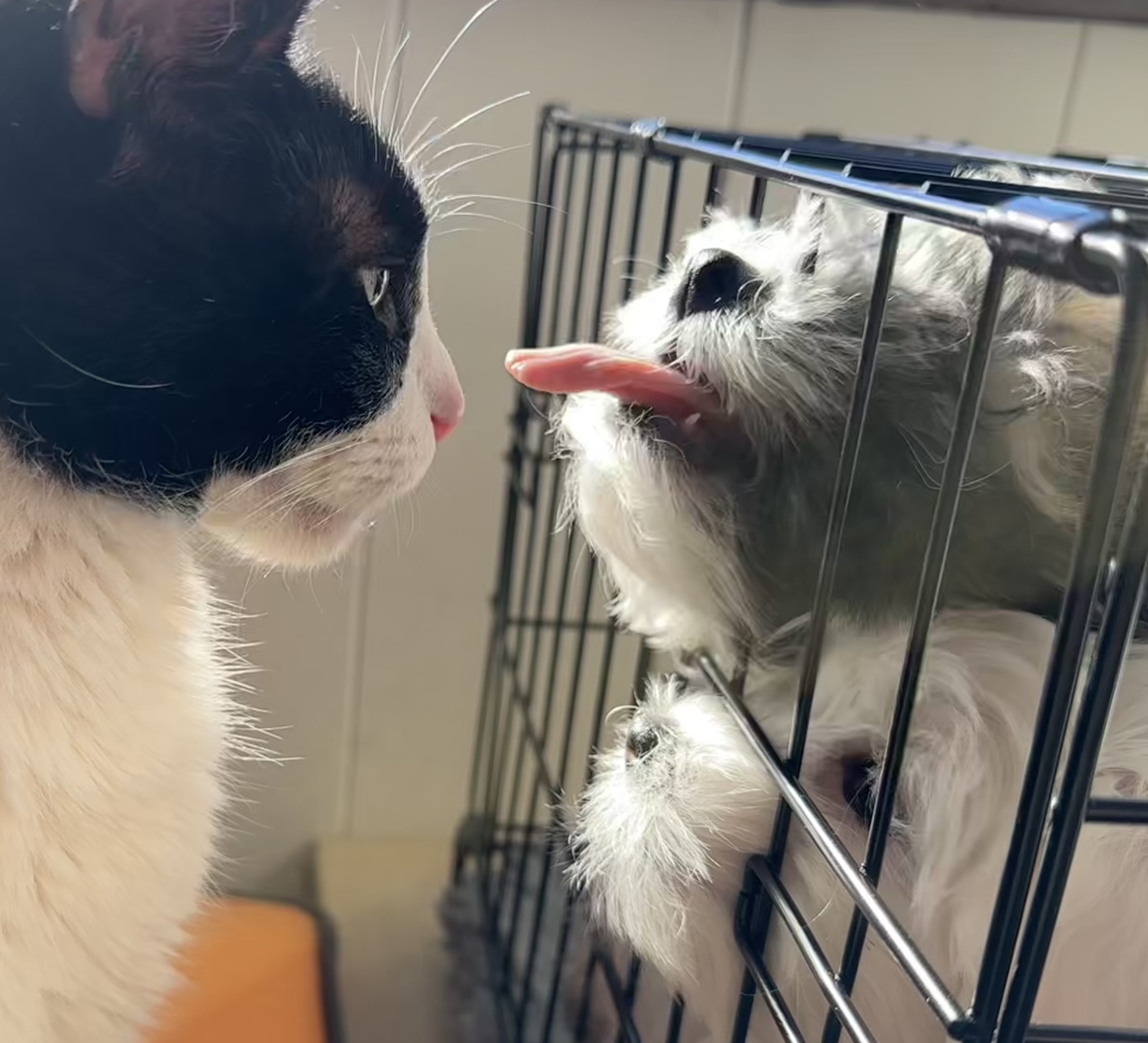
Dog crates are valuable tools: they help dogs develop independence, get enough daytime sleep, build potty training skills, and ride securely in vehicles. We lean into that from the very beginning. When first learning to toddle, puppies can choose to go into open-doored crates in their weaning pen. Puppies eat every meal in their crate within weeks of weaning, travel in them by car, and ride in a stroller when they venture out. We try to keep every crate-association positive, and it shows. Tre flew happily to New York in an under-seat carrier. Napping back at the hotel while Jeremiah and Ange explored Manhattan every evening. We set up a check-in camera, and never once needed to cut an outing short. Margot loves her car kennel so much that at the end of a trip she sometimes hides at the back, hoping to stow away for another adventure.
Our dogs each have their own space in our bedroom, and before puppies go home they learn to sleep independently, with us doing a lot of the overnight-wakeup heavy lifting. They'll likely revert a little in a new home, but it won't be unfamiliar. The foundation is already there.
We encourage prospective families to reach out well in advance of any planned litter. Getting to know each other takes time. We're not just placing a puppy; we're beginning a relationship we hope will last the lifetime of your dog. We want to build something lasting with the families who take home our puppies, which means making sure in advance that it's a genuinely good fit for everyone. The selection process is thoughtful in both directions: we want every puppy in a home where they'll be cherished, and we want every family to feel truly confident they've found their dog.
Applications are reviewed individually. Being on the waitlist does not guarantee a puppy from any given litter.
We are planning a litter in Summer 2026, and possibly a second litter sometime in late 2027.
From first contact to your puppy's first night home. Here's how the process unfolds.
Send us a message through the contact form or by email. Tell us about yourself: your home, your lifestyle, your experience with dogs, and what draws you to the Löwchen. There are no wrong answers; we're simply getting to know you. We respond to every inquiry personally.
If there seems to be a mutual fit, we'll arrange a phone or video call. This is a chance for both of us to ask questions. We want to understand your expectations and help you understand ours. We'll be honest about the breed's quirks, needs, and the reality of living with a Löwchen.
We breed sparingly, about once every two years for our kennel and only one or two times per dam. If we feel you'd be a wonderful match for a C.Hardt puppy, we'll place you on our waitlist. We'll keep you informed as our breeding plans develop. We breed when the time is right, not on a schedule, so waiting lists vary in length.
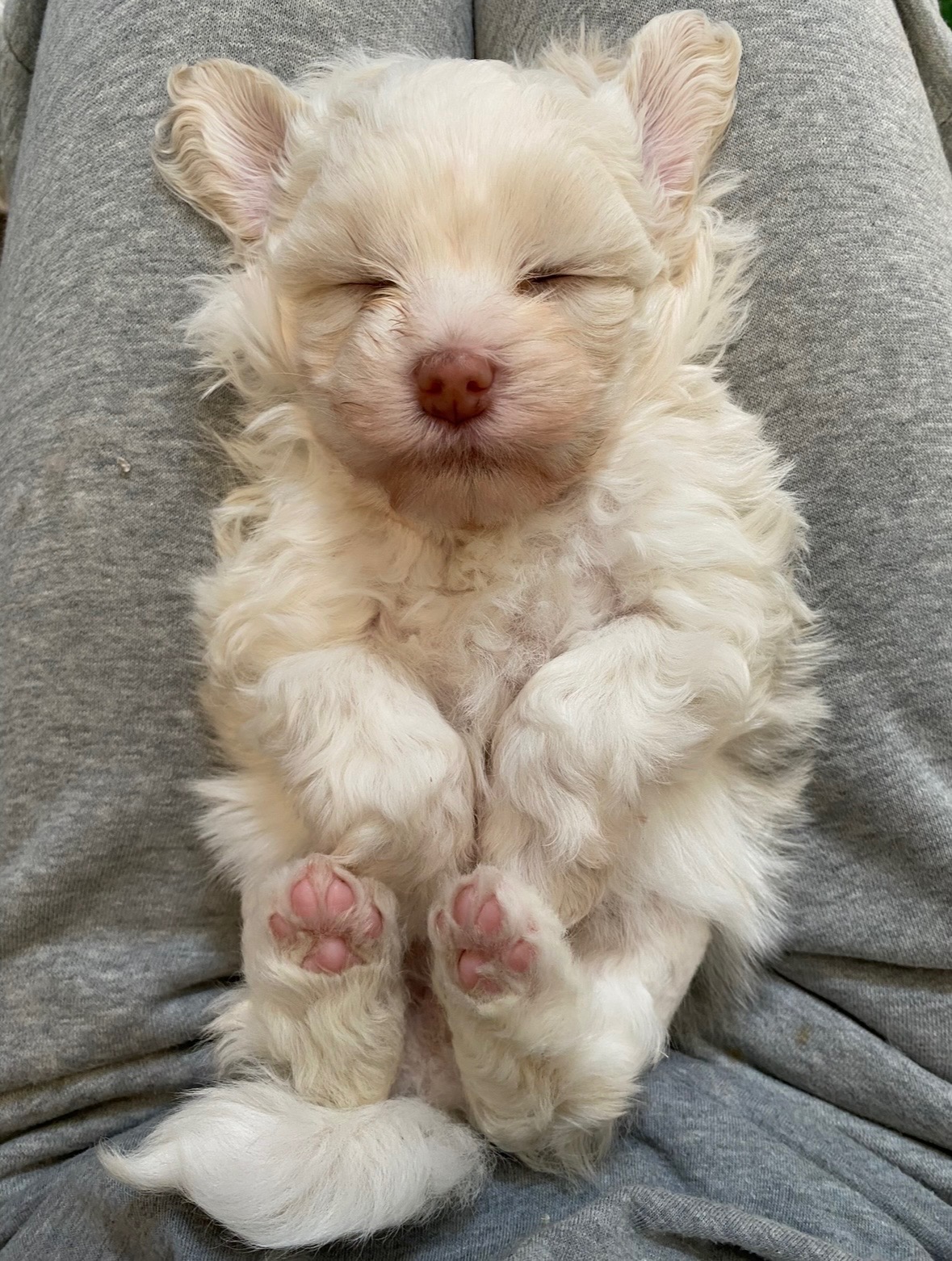
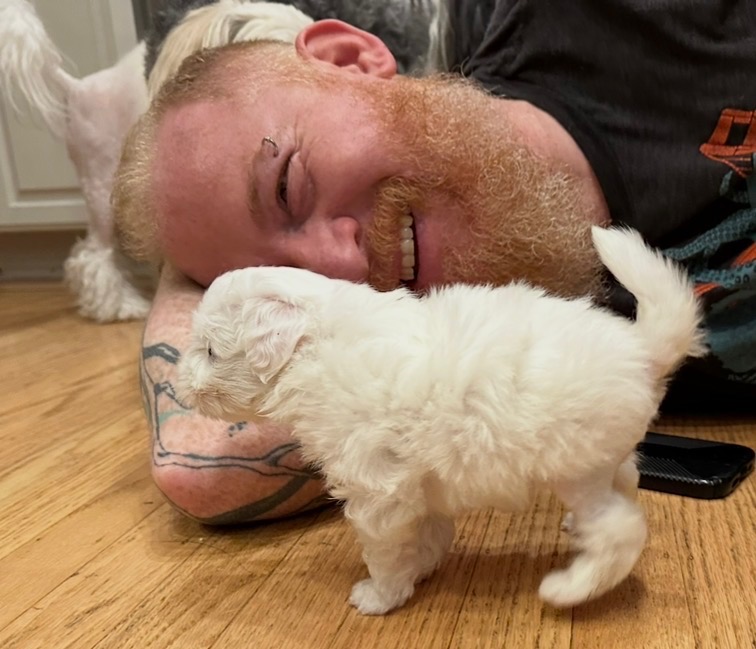
We begin evaluating puppies from birth, but the major temperament and conformation assessment happens at eight weeks of age, with some traits emerging a little later. Löwchen litters are typically three to five puppies, and every one is carefully evaluated: as a potential show prospect, as a candidate to continue our line, and for how their emerging personality and structure might suit the families on our waitlist.
Matching puppy to home is a complex process that takes time and thought. It is not simply first-come-first-served. It's about finding the right fit in both directions. We'll keep waitlisted families informed with updates, photos, and videos as the puppies develop, and we'll discuss each potential match openly.
C.Hardt puppies typically go home between ten and thirteen weeks of age, though we may hold onto some a little longer to continue training and evaluating them as show or breeding prospects. By the time they leave, they have begun their socialization and early learning work, and come with some training already underway and overnight kennel skills in place.
Every puppy goes home fully vetted and microchipped. You'll receive a complete health record, a written health guarantee, a care packet, and our personal commitment to be available for questions, for the lifetime of your dog. Our Resources page has our recommendations for food, treats, grooming supplies, gear, and training materials to help you get started on the right foot.
Our relationship doesn't end at the door. C.Hardt families are part of our extended family. Reach out anytime for training support, behavior questions, or just to share a milestone. We'll always be here.
Ange is a truly exceptional Löwchen breeder whose compassion and dedication to her dogs are second to none. Our journey began before my dog, Louie, was even conceived, and the bond we formed during Super's pregnancy has evolved into a wonderful, lasting friendship. Even after bringing Louie home, Ange has remained an invaluable partner, always offering her expert advice and unwavering support. I couldn't have asked for a more caring or professional breeder to guide us through this experience.
Celebrate the Lion Dog on your wall, on a mug, or on your body!
Because we breed so sparingly, we may not always have a puppy available when you're ready, and that's okay. The Löwchen community is remarkably small and wonderfully connected. When Ange doesn't have what you're looking for, she frequently helps connect people with other breeders who may have puppies or older dogs available.
Responsible Löwchen breeders, wherever they are in the country or the world, tend to know each other well, share values, and genuinely collaborate to help potential owners find their perfect companion, regardless of whose kennel that dog comes from. If C.Hardt isn't the right fit right now, we'll do our best to point you toward someone who is. We would rather help you find the right dog from the right home than leave you without guidance.
One of the best ways to discover the Löwchen is to see them at a dog show. Anyone can attend an AKC conformation show for free. You'll find breeders, exhibitors, and dogs of nearly every breed all in one place. Use Infodog.com to find shows near you. About a week before each show, a judging program is posted on the individual show page, and this will tell you whether Löwchen have entered that particular show. Before you go, we recommend searching online for dog show attendee etiquette; a little preparation makes the experience much more enjoyable for everyone.
Find a Show Near You ↗Reach out through our contact form. Whether you're asking about an upcoming C.Hardt litter, looking for a referral to another breeder, or just want to ask questions about the breed. We welcome every message and do our best to respond helpfully and honestly. Our Löwchen love meeting new people, and we're always happy to arrange a visit so you can experience the breed firsthand before making any decisions.
Get in Touch ↗Further reading for Löwchen enthusiasts.
The Löwchen in art, history, and popular culture.
Breeders whose lines run through our pedigrees. This list will grow.
These are things we genuinely use, recommend, or have researched carefully. None of these lists are exhaustive — they're a starting point, and when you bring home a C.Hardt puppy, we'll talk through everything together.
Crates, beds, gates, carriers, bowls, and the gear that makes small-dog life easier.
Brushes, scissors, shampoos, clippers, and everything for a beautiful Löwchen coat.
What we feed, what we train with, and the supplements we trust.
Long-lasting chews and enrichment toys for happy, occupied dogs.
Books, videos, and courses rooted in positive reinforcement — plus collars, leashes, treat pouches, and other gear for training sessions.
Interactive toys that keep Löwchen minds busy and bodies happy.
Goodbye!
See you on the other side of the door.
We add to this list as we encounter research that meaningfully informs our rearing decisions.